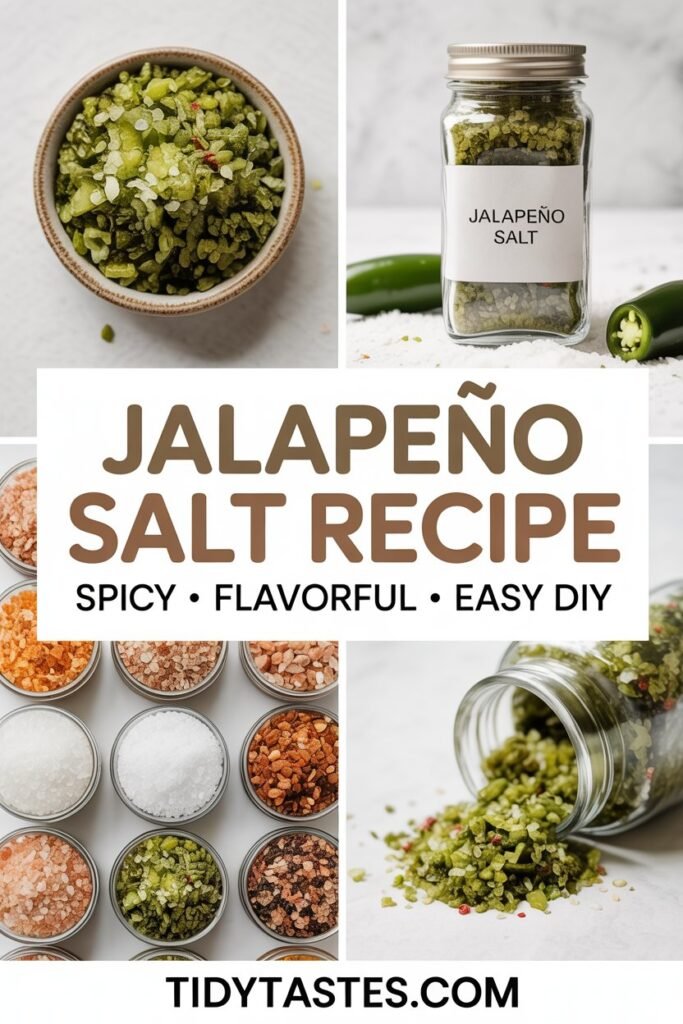
Jalapeño Salt Recipe
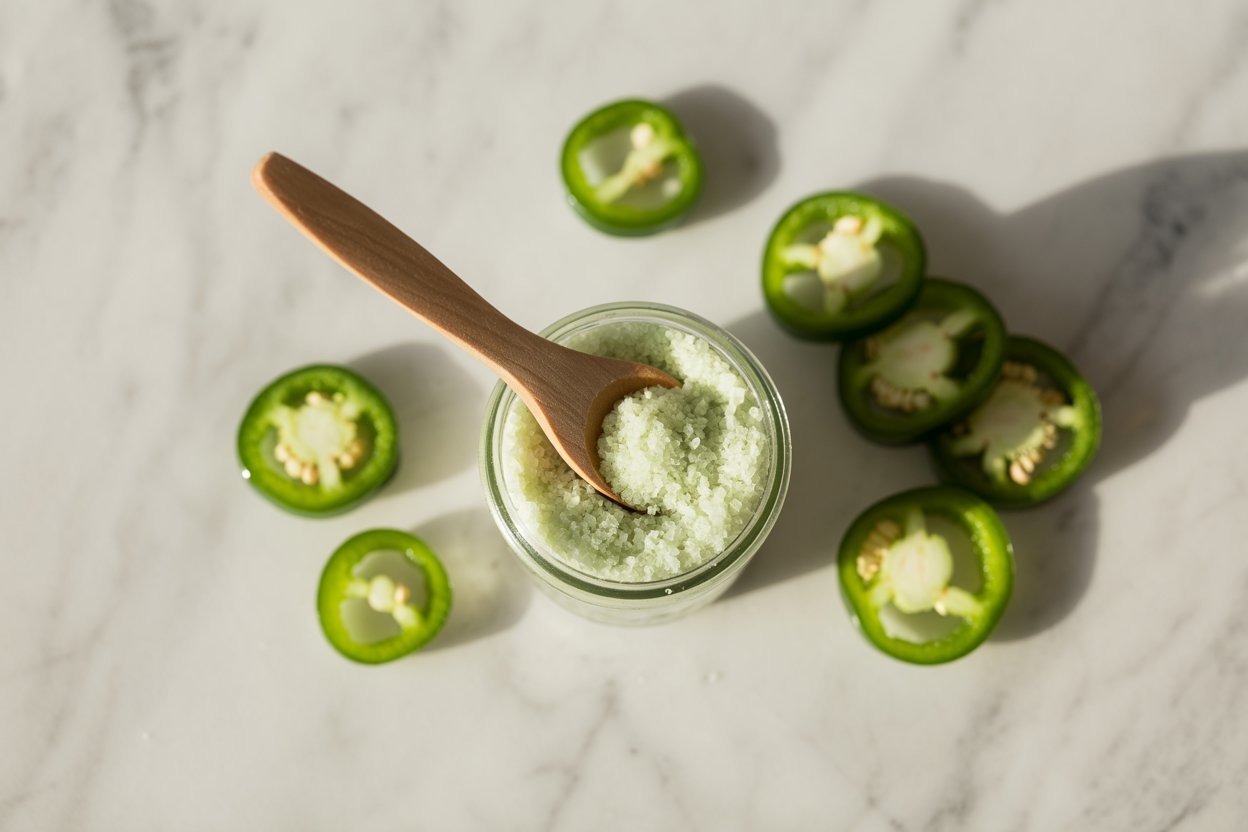
Why I Started Making Jalapeño Salt
I didn’t go looking for this recipe.
It started with a few jalapeños I didn’t want to waste.
They were sitting in my kitchen, already a few days old, and I knew if I didn’t use them soon, I’d end up throwing them away.
I almost added them to a random meal and moved on.
But instead, I tried something simple.
I blended them with salt, spread the mixture out, and left it to dry.
No big expectations.
But when I came back to it, the smell alone told me it was different.
Fresh. Slightly sharp. Clean, but with a quiet heat.
Not just “spicy salt” — something that actually added depth.
Since then, I’ve kept a jar of it in my kitchen.
And I use it more than I expected.
On simple meals. Quick snacks. Things that usually taste a bit plain.
It doesn’t overpower anything.
It just makes everything taste better.
What Is Jalapeño Salt?
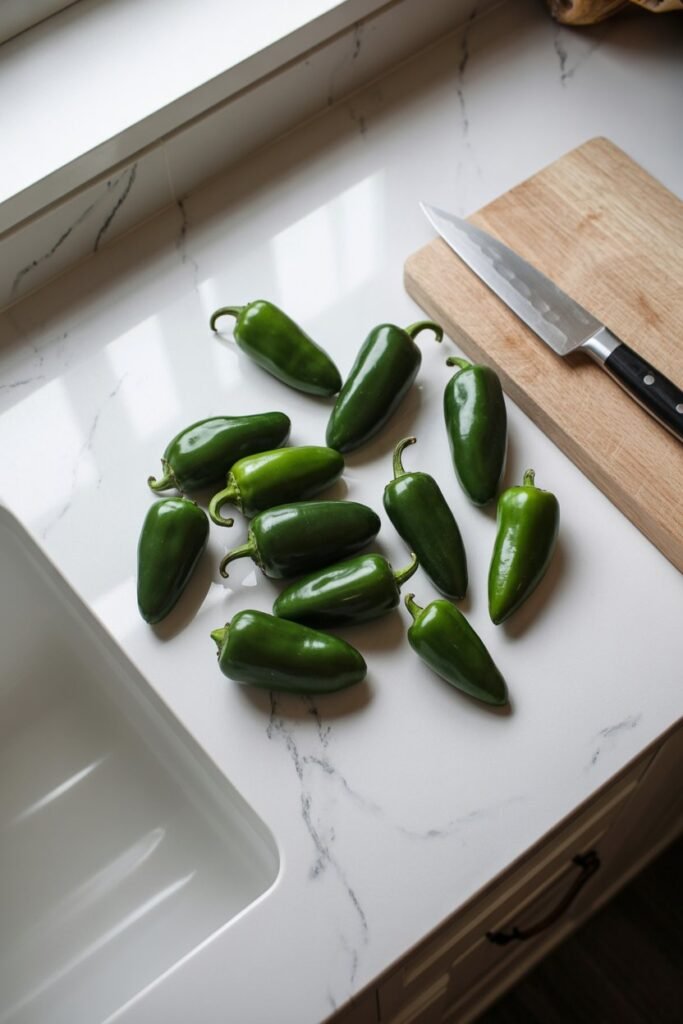
At its core, jalapeño salt is just two ingredients:
fresh jalapeños and salt.
But the process is what makes it work.
When you blend fresh peppers into salt and dry it slowly, the salt absorbs the flavor.
As the moisture disappears, what you’re left with is:
- concentrated pepper flavor
- a balanced, gentle heat
- and a subtle freshness that dried spices don’t have
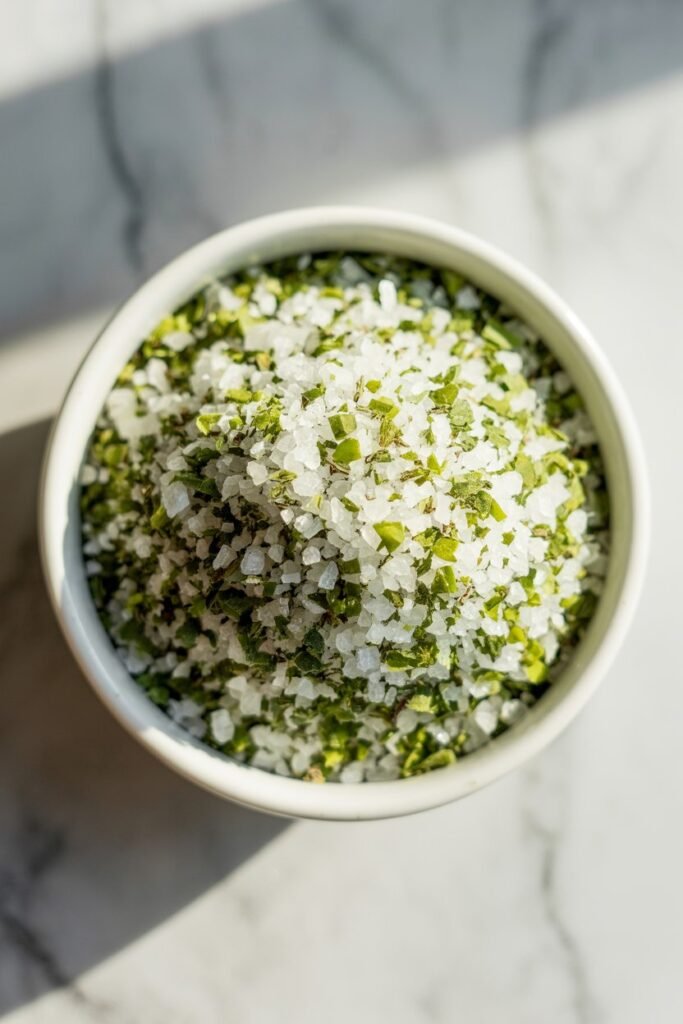
The texture stays slightly coarse.
The color softens into a natural green.
And the flavor becomes more rounded over time.
It’s simple, but it doesn’t taste basic.
Why This Recipe Works (And Doesn’t Taste Flat)
A lot of flavored salts don’t really deliver.
They either taste too salty… or just spicy without any depth.
This one works because:
- fresh jalapeños bring brightness
- slow drying keeps the flavor intact
- coarse salt holds both texture and aroma
It doesn’t try to stand out on its own.
It works quietly in the background, improving everything else.
Ingredients
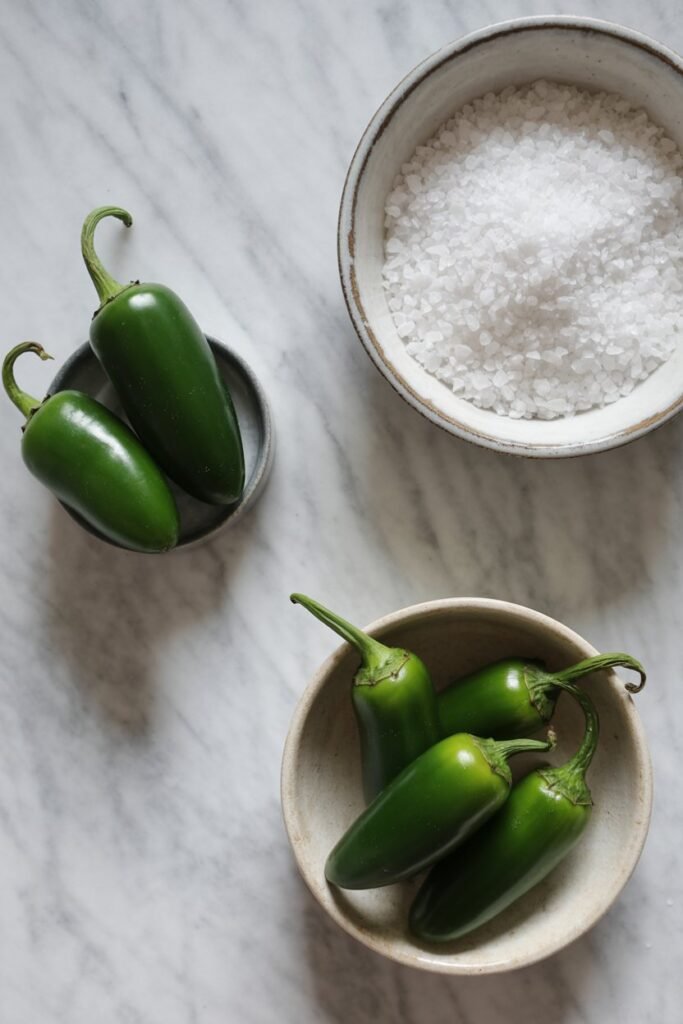
- 4–5 fresh jalapeños
- 1 cup coarse sea salt or kosher salt
That’s it.
No extras. No fillers. No complicated steps.
Equipment You’ll Need
- blender or food processor
- baking tray
- parchment paper
- oven or a dry, ventilated space
Step-by-Step Method (With Real Guidance)
Step 1: Prepare the Jalapeños
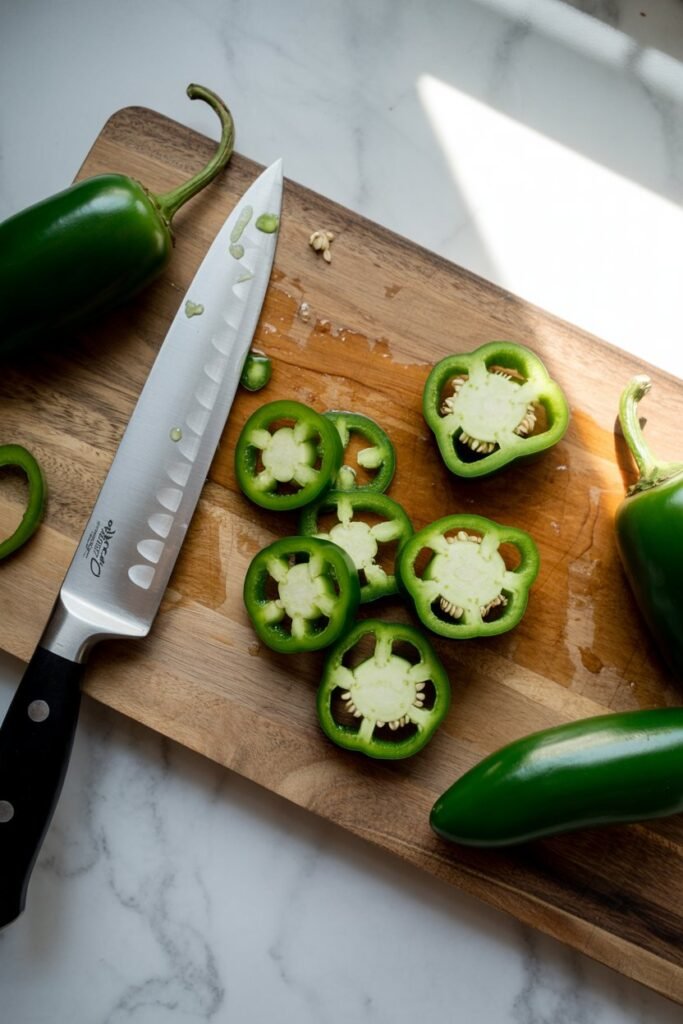
Wash and dry your jalapeños, then remove the stems.
If you want a milder salt, remove some of the seeds.
If you prefer more heat, leave them in.
Step 2: Blend with Salt
Add the jalapeños and salt into your blender.
Pulse until everything is evenly combined.
You’re not looking for a paste.
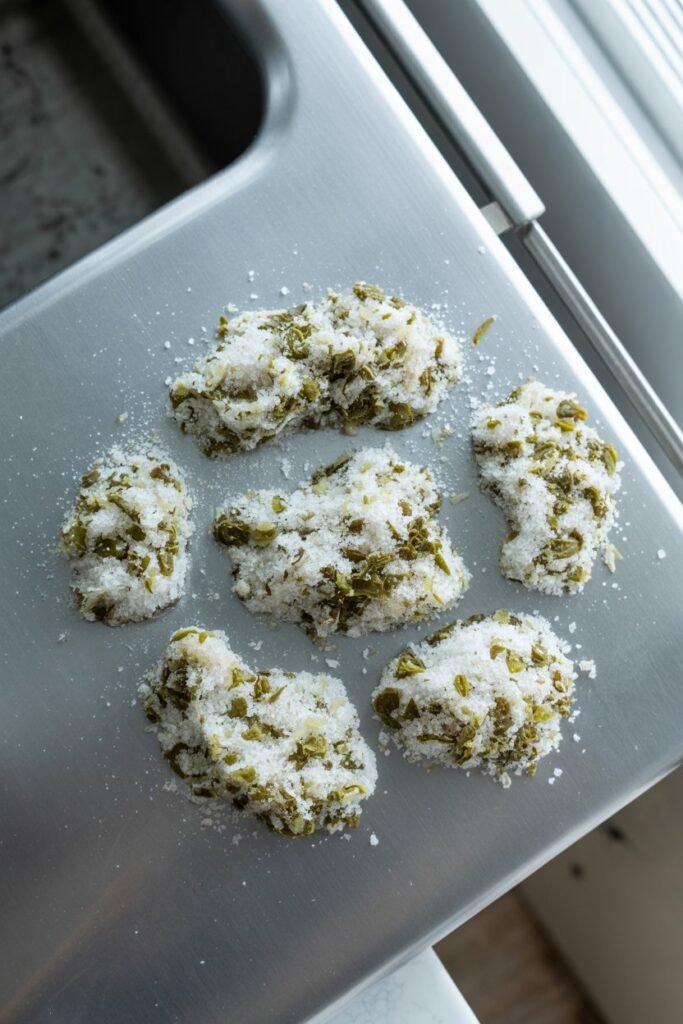
The texture should feel like damp, coarse sand.
That’s where the flavor starts binding to the salt.
Step 3: Spread It Properly
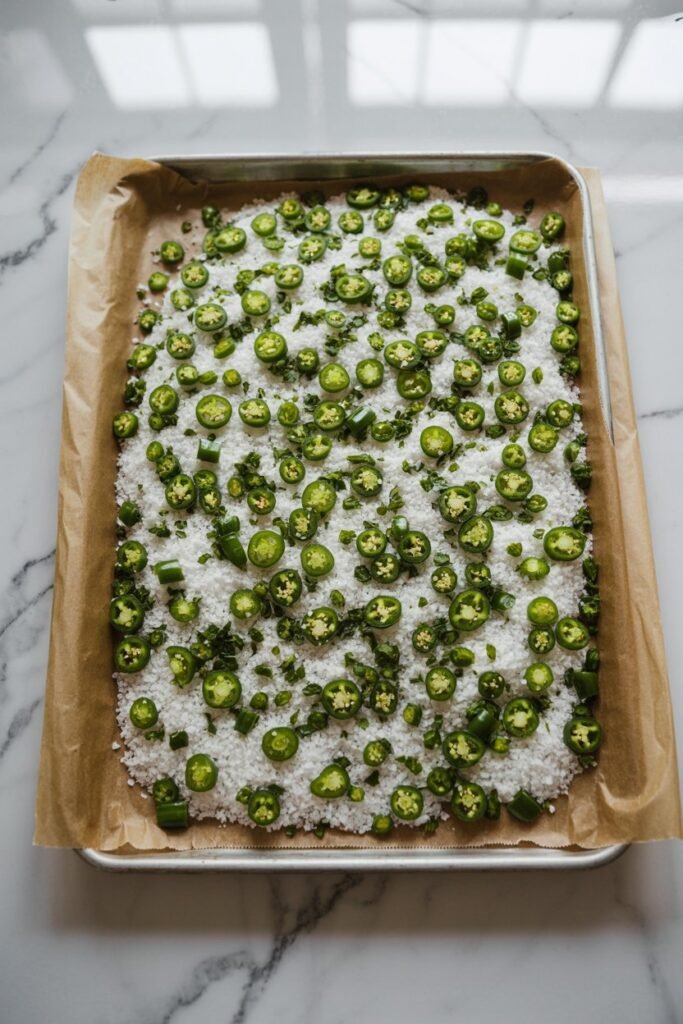
Line your baking tray with parchment paper.
Spread the mixture into a thin, even layer.
This step matters more than it seems.
Too thick, and it won’t dry evenly.
Even and thin, and the texture comes out perfect.
Step 4: Dry It Slowly
You have two options here.
Oven Method
- Set oven to low heat (80–100°C)
- Dry for 2–3 hours
- Stir gently every 30–40 minutes
You’re drying, not cooking.
Air Dry Method
- Leave in a dry, ventilated space
- Let sit for 24–48 hours
- Stir occasionally
This takes longer but keeps a slightly fresher flavor.
Step 5: Finish the Texture
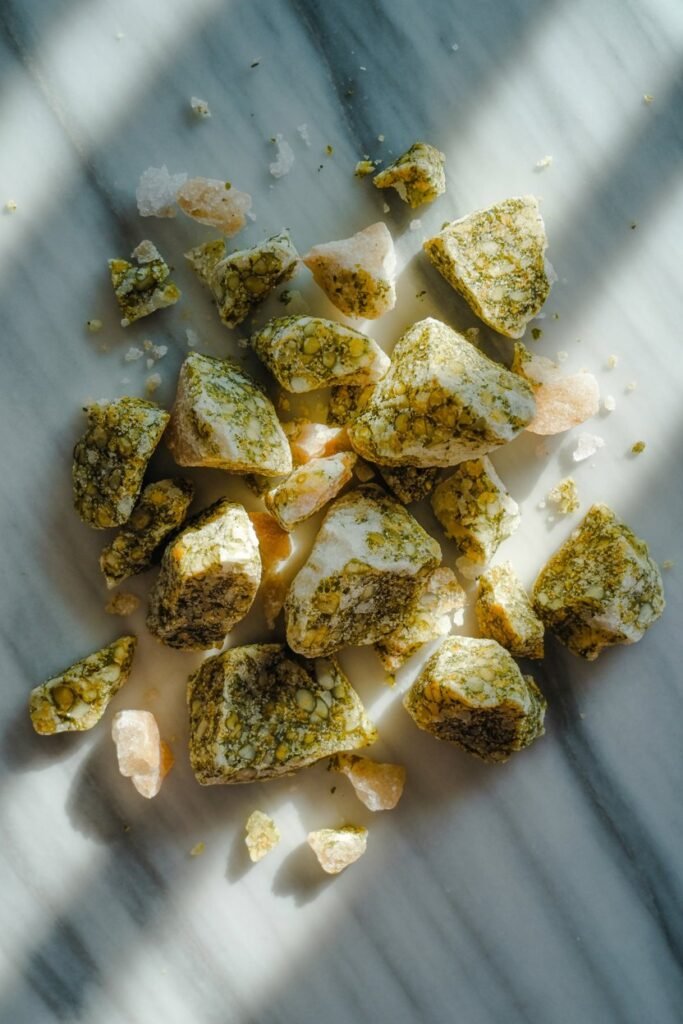
Once fully dry, the salt should feel:
- completely dry
- slightly crumbly
- not sticky at all
Break up any clumps with your fingers.
If you want a finer texture, pulse it briefly again.
Pro Tips That Actually Matter
“Dry it completely — any leftover moisture will affect storage.”
“Use coarse salt, not fine salt — it holds flavor better.”
“Spread the mixture thinly so everything dries evenly.”
What It Actually Tastes Like
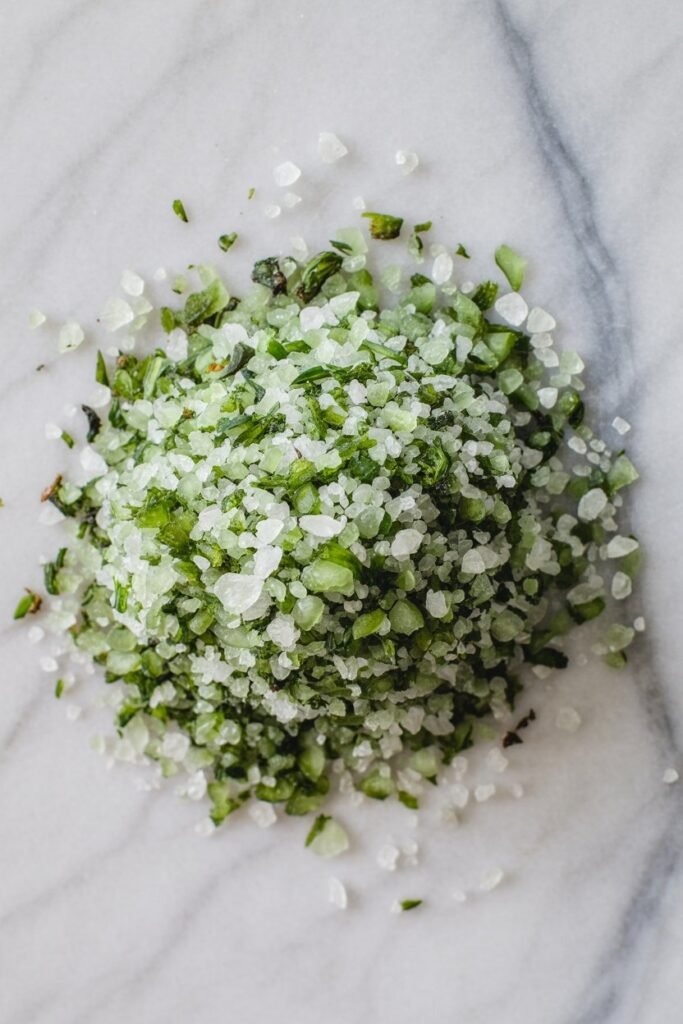
The first thing you notice isn’t the heat.
It’s the freshness.
Then comes:
- a gentle, building spice
- a clean pepper flavor
- and a subtle savory depth
It’s balanced.
Not overpowering.
And that’s what makes it so useful.
What Comes Next
In the next section, I’ll show you:
- the best ways to use jalapeño salt
- how to store it so it lasts for months
- simple variations (garlic, lime, smoked)
- and common mistakes to avoid
The Best Ways to Use Jalapeño Salt
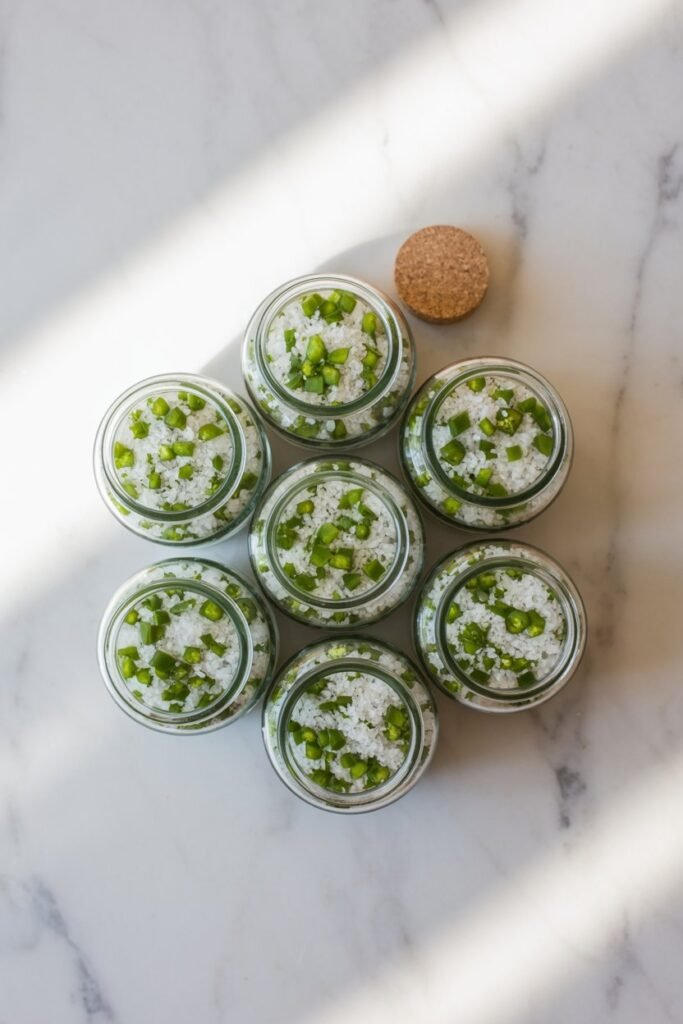
Once you make this, the biggest surprise isn’t how easy it was.
It’s how often you reach for it.
Because it’s not overpowering, you can use it in ways that feel natural, not forced.
Here are the ways I actually use it most:
On Eggs
Scrambled, fried, or boiled — it adds just enough heat without needing extra seasoning.
On Roasted Vegetables
Potatoes, carrots, zucchini — anything roasted becomes more flavorful with a light sprinkle.
On Rice or Simple Grains
Plain rice can feel flat. A pinch of this completely changes it.
On Avocado
This is one of the best pairings. The richness of avocado with the light heat works perfectly.
On Snacks
Popcorn, roasted nuts, even fries — it adds a clean, spicy finish.
On Fresh Fruit (Optional but Worth Trying)
Especially mango or pineapple. The contrast between sweet and heat is surprisingly good.
How to Store Jalapeño Salt (So It Lasts for Months)
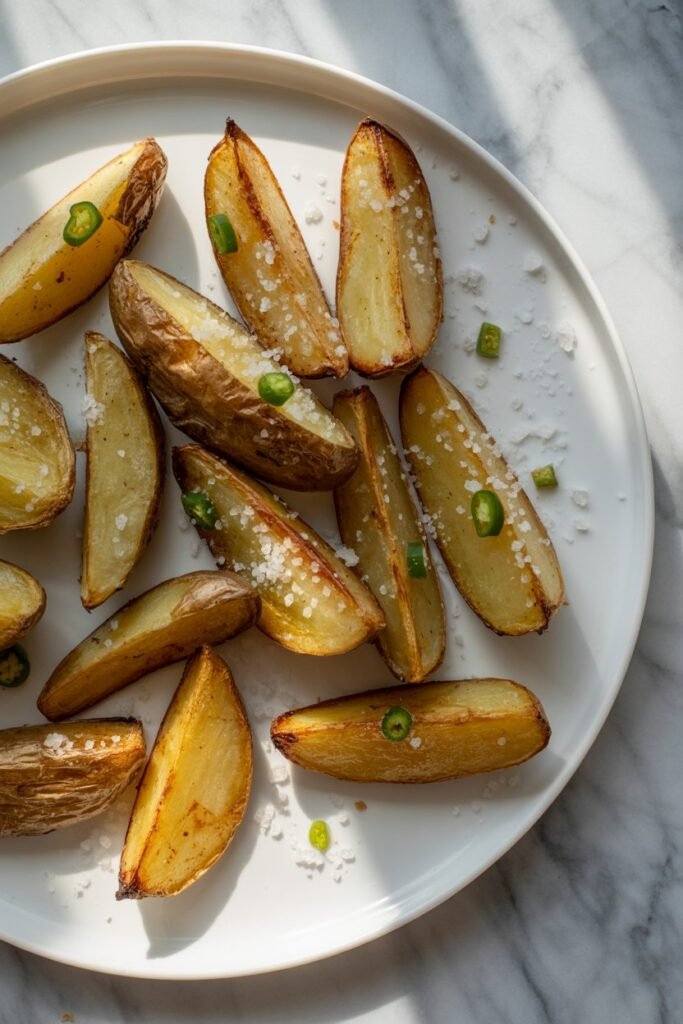
Storage is simple, but it matters.
If done properly, your jalapeño salt can last for months without losing quality.
What to use:
- airtight glass jar
- small spice container
Where to keep it:
- cool, dry place
- away from direct sunlight
- not near moisture (like the stove or sink)
Shelf life:
- up to 3–6 months
The key is making sure it’s fully dry before storing.
Pro Tip
“If there’s even a little moisture left, the salt can clump or spoil over time — always dry it completely.”
Simple Variations (Once You’ve Mastered the Basic Version)
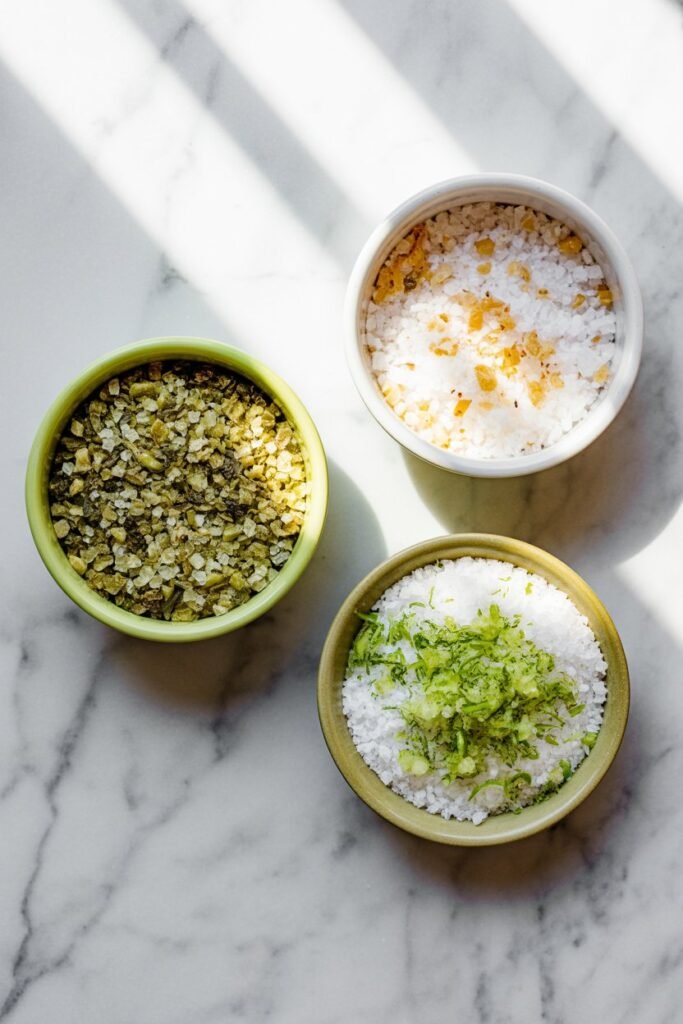
Once you’ve made this once, it’s easy to adjust and make it your own.
Garlic Jalapeño Salt
Add a small clove of garlic when blending.
It adds a deeper, more savory flavor.
Lime Jalapeño Salt
Add a bit of lime zest before drying.
This gives it a fresh, slightly citrusy finish.
Smoked Jalapeño Salt
Use smoked salt or add a small amount of smoked paprika.
This creates a richer, more complex flavor.
Extra Spicy Version
Add another jalapeño or include seeds.
You can adjust the heat level easily depending on your preference.
Common Mistakes to Avoid
This recipe is simple, but a few small mistakes can affect the final result.
Not drying it fully
This is the biggest one.
If it’s even slightly damp, it won’t store well.
Using fine table salt
It doesn’t hold flavor the same way and can taste too sharp.
Spreading the mixture too thick
This leads to uneven drying and clumping.
Overheating in the oven
Too much heat can dull the fresh pepper flavor.
Keep it low and slow.
How Long Before It Develops Full Flavor?
You can use it immediately after drying.
But it actually gets better after a day or two.
As it sits:
- the flavors settle
- the salt absorbs more of the pepper
- the taste becomes more balanced
It’s a small difference, but noticeable.
Final Thoughts
This is one of those recipes that doesn’t look impressive at first.
It’s simple. Minimal. Easy to overlook.
But once you make it, it becomes something you keep coming back to.
Because it solves a real problem.
It makes simple food taste better — without extra effort.
And sometimes, that’s exactly what you need.
Quick Recipe Summary
Ingredients:
- 4–5 jalapeños
- 1 cup coarse salt
Method:
- blend
- spread
- dry
- store
That’s it.