
When I first decided to try keto, I thought it would be simple: cut carbs, eat fat, lose weight. Sounds easy, right?
Wrong.
By day three, I had headaches so bad I wanted to crawl back into bed. Day five, I felt like I had zero energy. By the end of week one, I was questioning if I had made a huge mistake.
I was not alone. Most people who try keto fail not because the diet does not work, but because they were not prepared for how their body adapts, how to track macros, and how to make the lifestyle sustainable.
This post is everything I wish someone had told me before I started: a complete, actionable, experience-based guide to starting keto the right way, avoiding common mistakes, and making it work in real life without gimmicks or hype.
What Is Keto and How Does It Work?
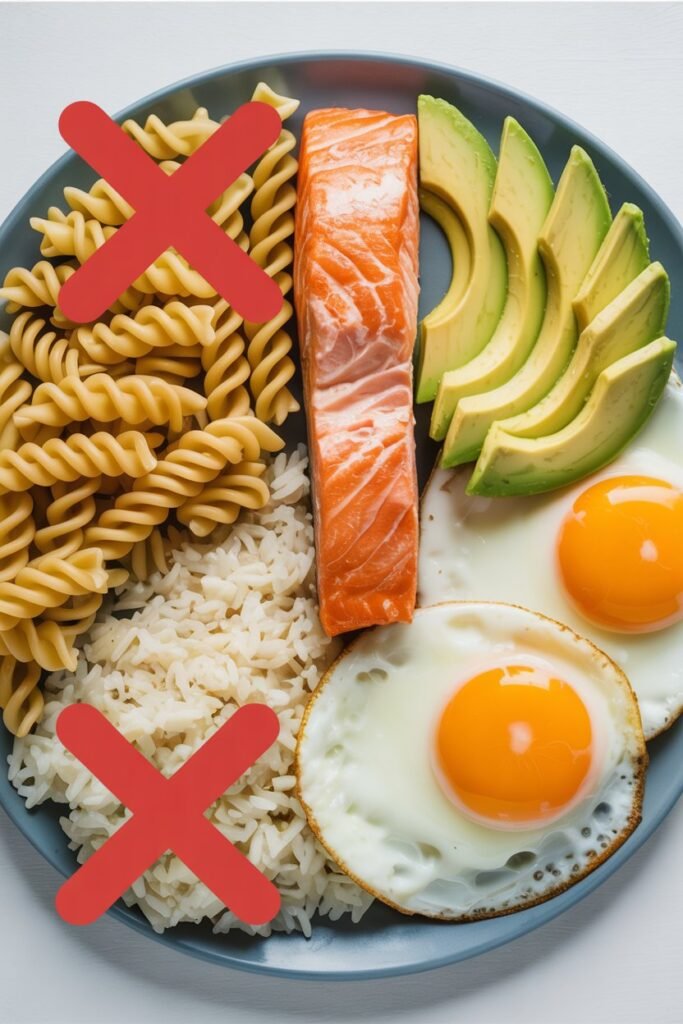
Keto, short for ketogenic diet, is a low-carb, moderate-protein, high-fat diet. The goal is to shift your body from burning glucose from carbs to burning ketones from fat.
When you reduce carbs drastically, your body enters ketosis, a metabolic state where fat becomes your primary energy source. This can stabilize blood sugar, reduce cravings, and help with fat loss.
Reaching ketosis and staying there is not just about cutting carbs. Protein, fat balance, electrolytes, and micronutrients all play critical roles.
My First Week on Keto: Mistakes I Made
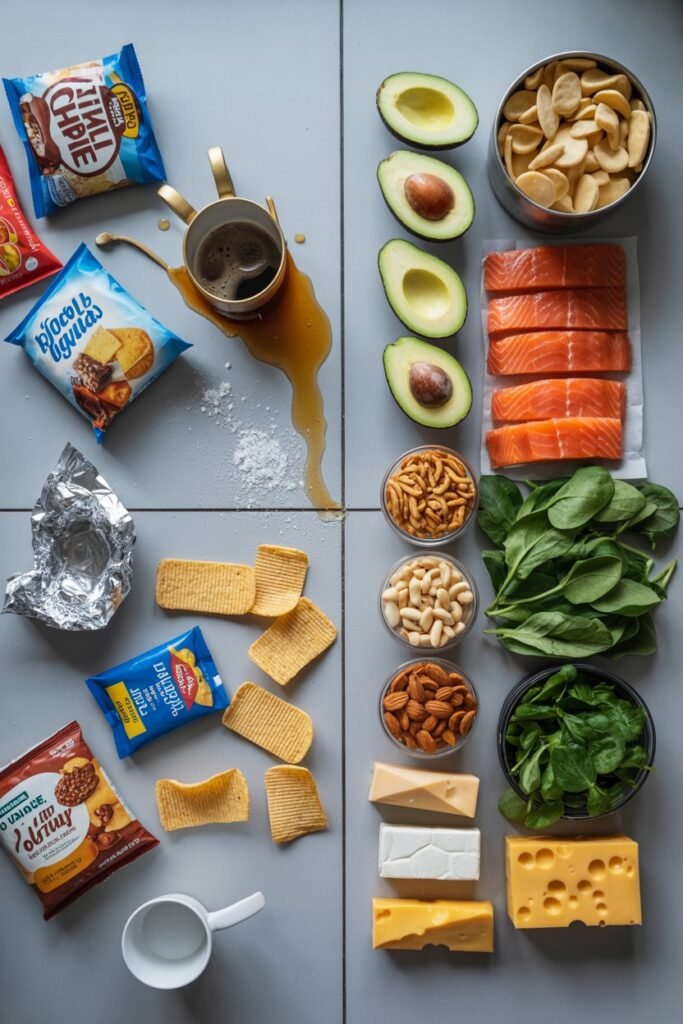
I learned the hard way that keto is not just “eat bacon and cheese.”
- Neglecting electrolytes caused headaches, cramps, and fatigue. I did not realize my body was flushing sodium, potassium, and magnesium.
- Skipping vegetables made my digestion suffer and left me feeling sluggish.
- Ignoring protein balance left me with low energy and muscle loss.
- Overeating fat made me feel heavy and bloated.
- Expecting instant weight loss set me up for frustration.
Once I corrected these mistakes, I started feeling normal, then energized, and eventually saw results.
Keto Basics: What to Eat and Why
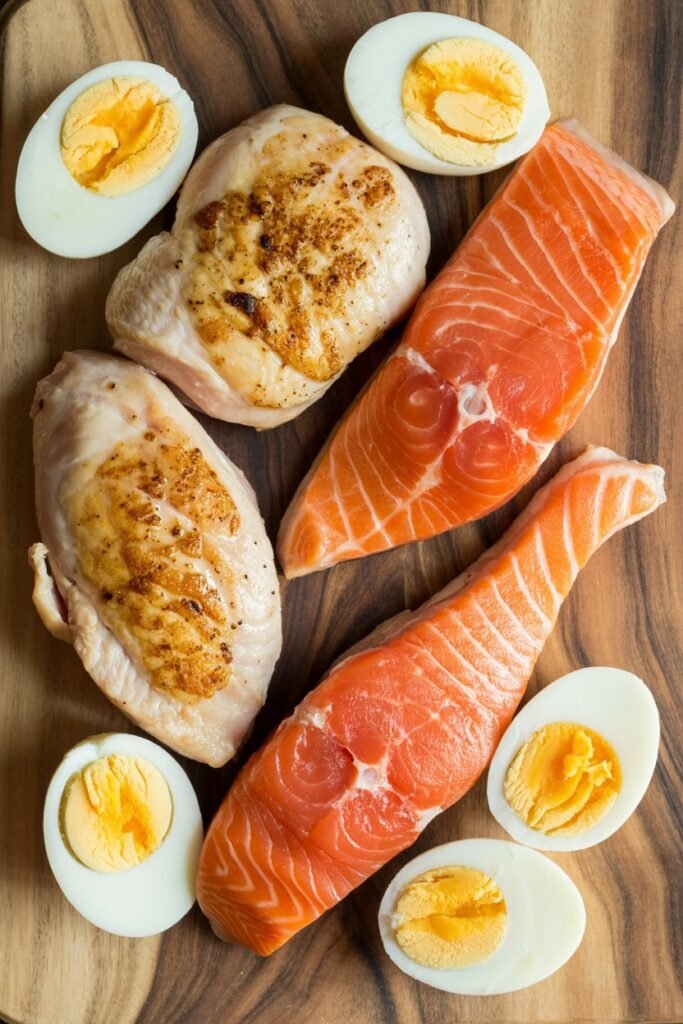
Instead of listing allowed foods, here is a practical approach I follow that keeps me full, energized, and in ketosis.
Protein: The Foundation
Protein preserves muscle and keeps you full. On keto, aim for moderate portions, about the size of your palm per meal.
Sources I rely on include:
- Eggs, whole or whites
- Chicken, turkey, and lean beef
- Fish such as salmon or cod
- Greek yogurt, low-carb
- Tofu or tempeh for plant-based options
Fat: Fuel Not Guilt
Fat replaces carbs as energy, but quality matters. I focus on:
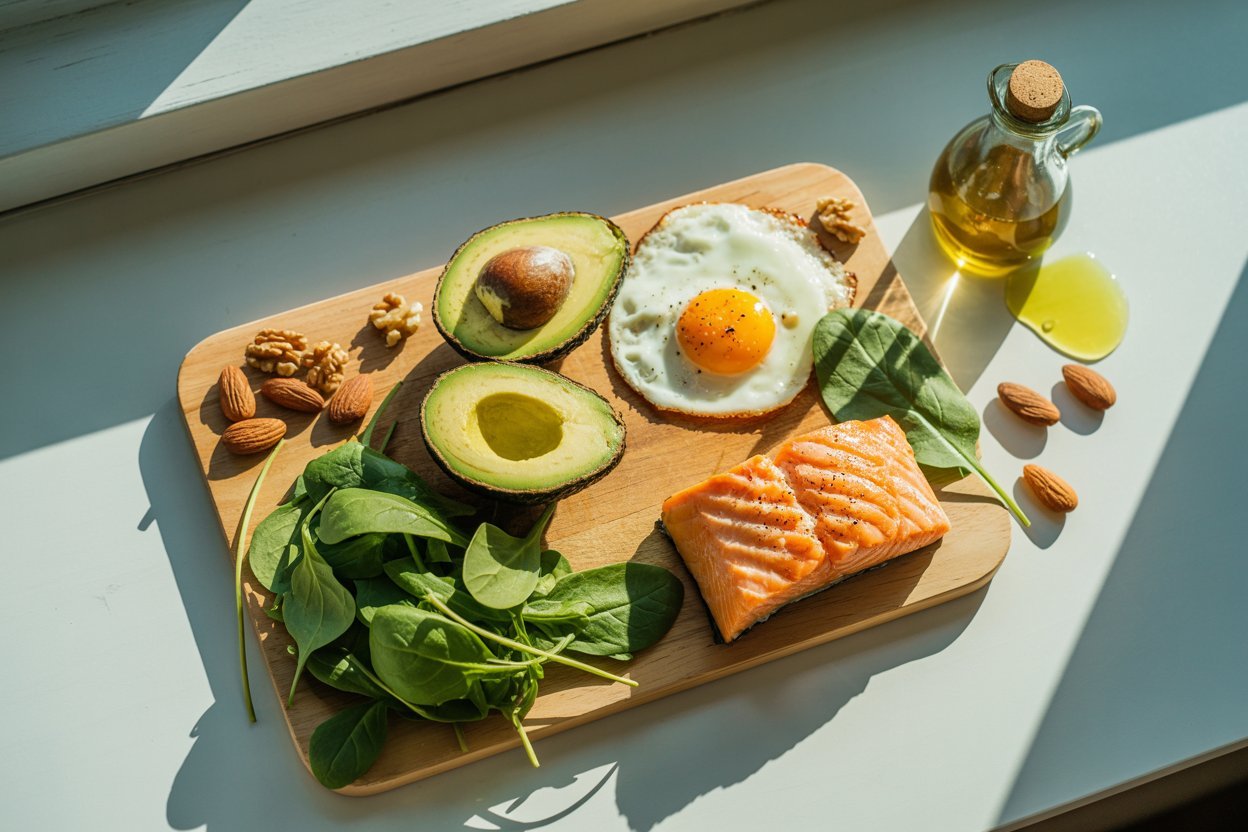
- Avocado
- Olive oil
- Nuts and seeds in moderation
- Coconut oil and MCT oil
- Fatty fish
The goal is to satisfy hunger, provide steady energy, and support metabolic adaptation.
Vegetables: Essential Not Optional
Vegetables provide fiber, micronutrients, and volume essential for digestion and satiety.
My staples are:
- Leafy greens like spinach and kale
- Cruciferous veggies like broccoli and cauliflower
- Zucchini and bell peppers
- Mushrooms
Vegetables help prevent constipation and make keto sustainable long-term.
The Keto Flu: What No One Warns You About

The keto flu hit me hard in my first week with headaches, fatigue, irritability, and sugar cravings.
When carbs drop, insulin decreases and the kidneys flush water and sodium. This electrolyte loss causes symptoms.
How I fixed it:
- Added a pinch of salt to meals
- Drank more water
- Ate potassium-rich foods such as avocado and leafy greens
- Took magnesium supplements
Symptoms usually last three to five days, but proper hydration and electrolytes reduce severity.
Step-by-Step Guide to Start Keto Week 1
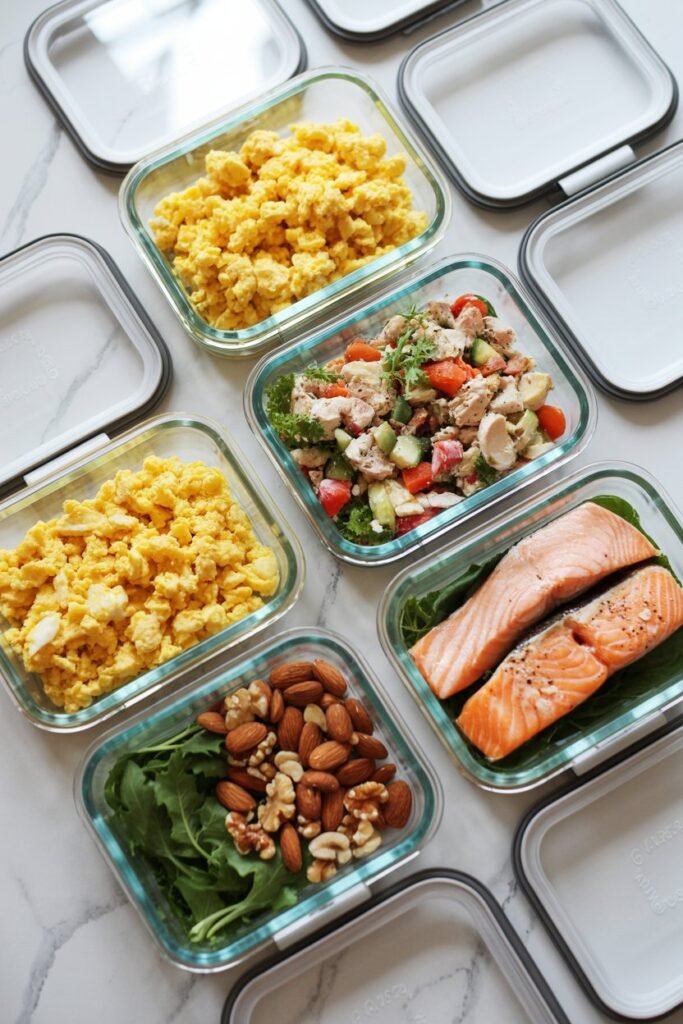
Day 1 to 3: Focus on low-carb meals and hydration. Avoid sugar completely.
Day 4 to 5: Incorporate electrolytes and vegetables. Expect mild cravings.
Day 6 to 7: Adapt your protein and fat balance. By now, you may feel steadier energy and fewer cravings.
Sample day:
- Breakfast: Scrambled eggs with spinach and avocado
- Lunch: Chicken salad with olive oil and leafy greens
- Dinner: Salmon with roasted broccoli
- Snacks: Hard-boiled eggs, cheese sticks, or almonds
How I Meal Prep for Keto Success
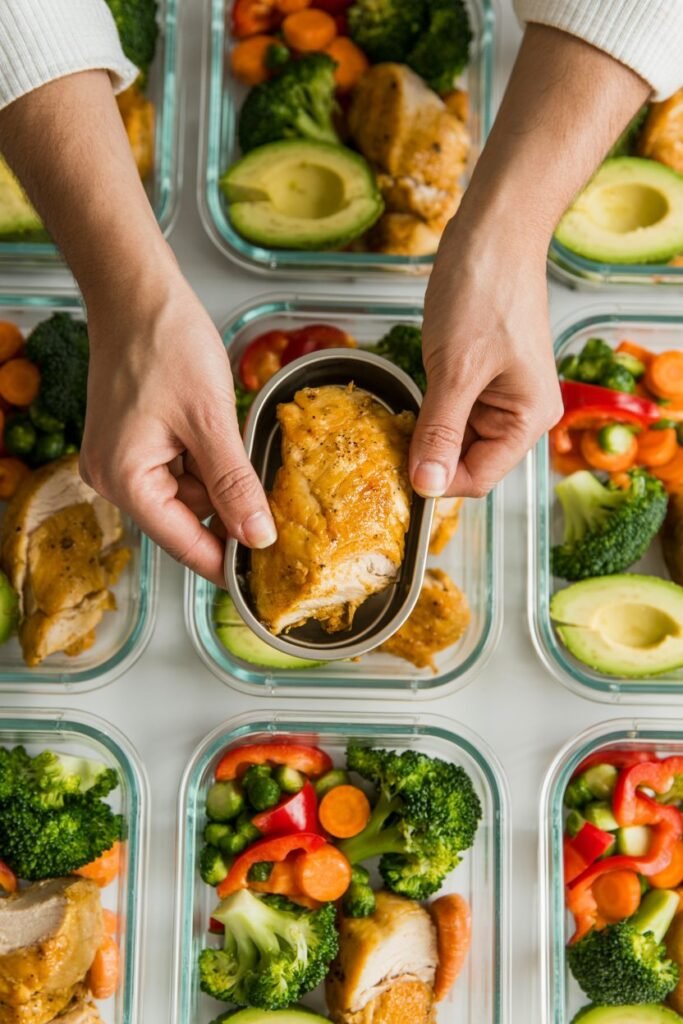
Meal prep turned keto from stressful to sustainable. Here is my approach:
- Batch cook proteins such as roasted chicken, boiled eggs, or ground beef.
- Prep vegetables by washing, chopping, or roasting for easy access.
- Portion fats with olive oil in small containers, pre-sliced avocado, or measured nuts.
- Label everything to track freshness and prevent mistakes.
- Freeze extras such as keto pancakes, meatballs, or casseroles for quick meals.
Meal prep saves time and ensures you do not fall back into carb-heavy convenience foods.
Common Keto Mistakes Beginners Make
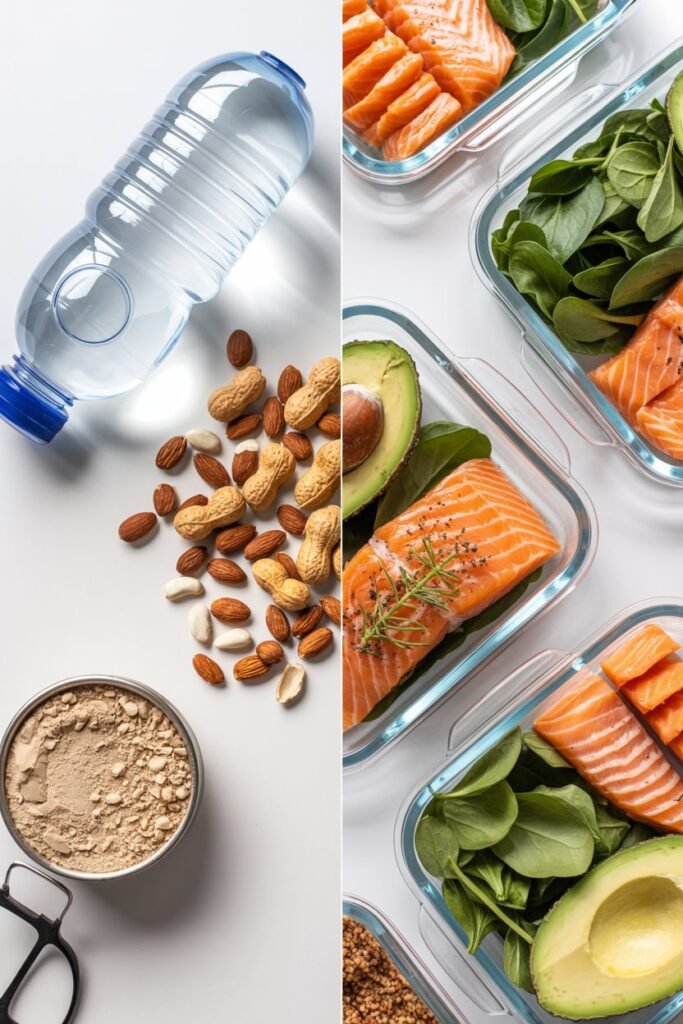
- Not tracking carbs, even low-carb foods can add up.
- Skipping protein, which causes muscle loss.
- Overeating nuts or keto desserts, adding unnecessary calories.
- Ignoring hydration, which leads to fatigue and headaches.
- Expecting rapid weight loss; keto works gradually and patience is key.
Avoiding these mistakes can make the difference between giving up and seeing results.
Snacks and On-the-Go Keto Options
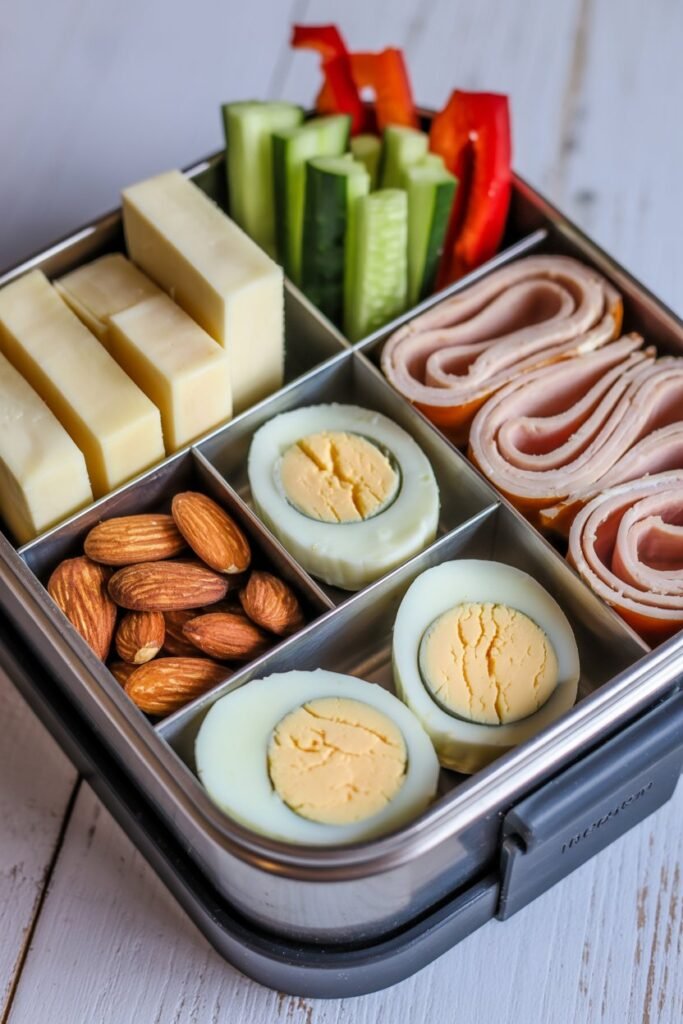
Busy days require planning. Here is what I keep on hand:
- Boiled eggs
- Cheese sticks or cubes
- Nuts and seeds such as almonds or macadamias
- Cold cuts like turkey or roast beef
- Veggies with guacamole or ranch dip
Having ready-to-go snacks prevents carb cravings and keeps energy stable.
Eating Out on Keto
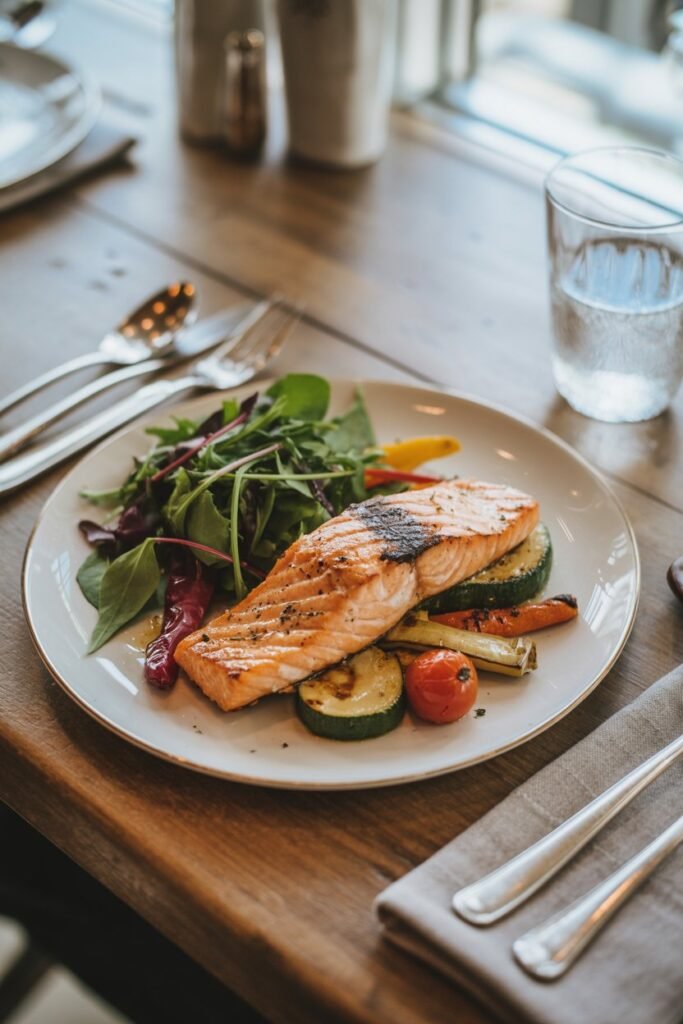
Eating out can be tricky. My tips:
- Choose protein-based meals such as steak, chicken, or fish
- Swap starchy sides such as fries, rice, or potatoes for extra vegetables
- Ask for sauces or dressings on the side, many contain hidden sugar
- Avoid sugary drinks, even diet versions may affect cravings
Being prepared mentally and knowing your options makes eating out stress-free.
Tracking Your Progress Without Obsession

I learned that weighing myself daily created anxiety. Instead, I focus on:
- How my clothes fit
- Energy levels throughout the day
- Hunger control and cravings
- Strength and performance in workouts
Ketosis is a metabolic change, not just a number on a scale.
Keto for Busy Lives
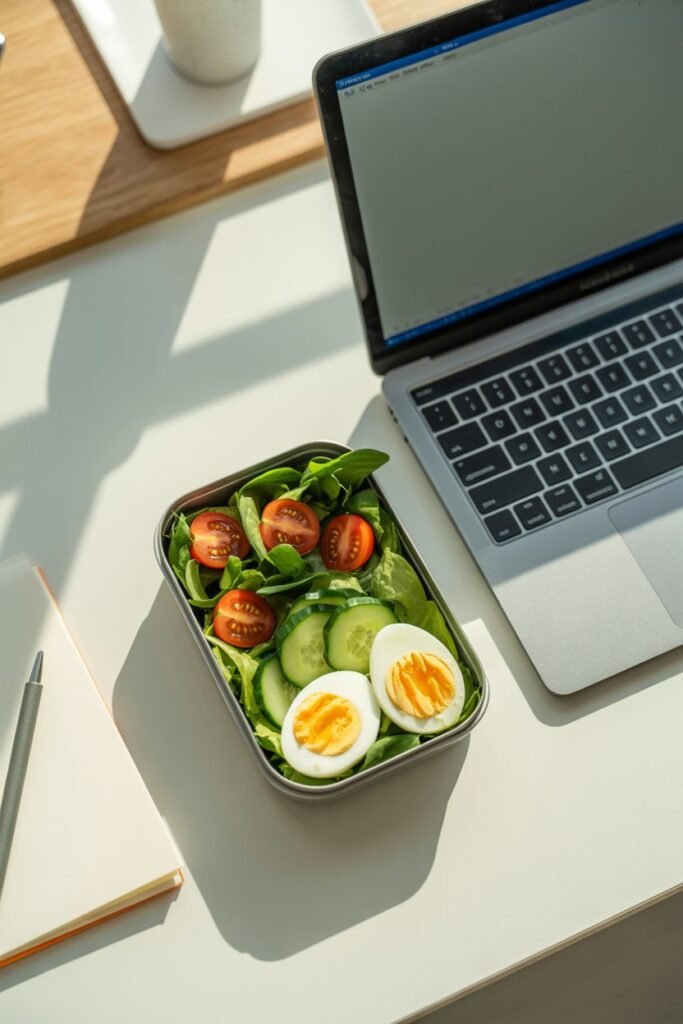
I work full-time, meal prep, and travel occasionally. Keto is manageable with structure:
- Keep portable snacks
- Prep meals in jars or containers
- Use simple recipes that do not require long cooking
- Plan restaurant choices in advance
The key is consistency over perfection.
Supplements That Can Help
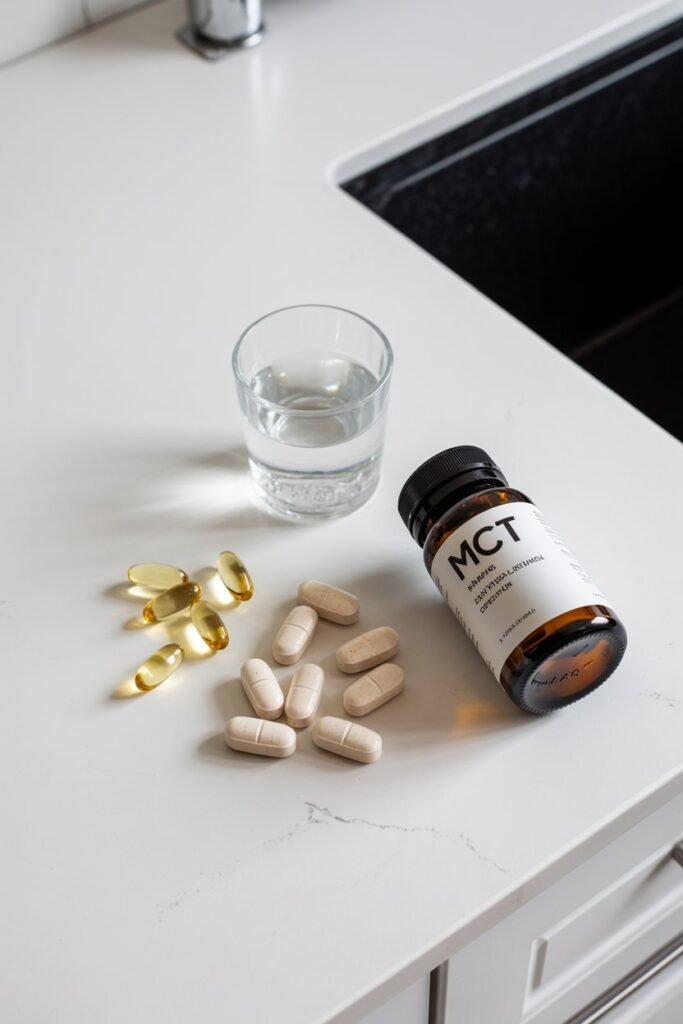
Keto is not magic, but some supplements make the transition smoother:
- Magnesium prevents cramps
- Electrolytes keep energy stable
- MCT oil provides quick energy
- Omega-3 supports heart and brain health
I take magnesium at night and use MCT in morning coffee for energy. These small tweaks improved my first two weeks dramatically.
One-Week Keto Meal Plan Example
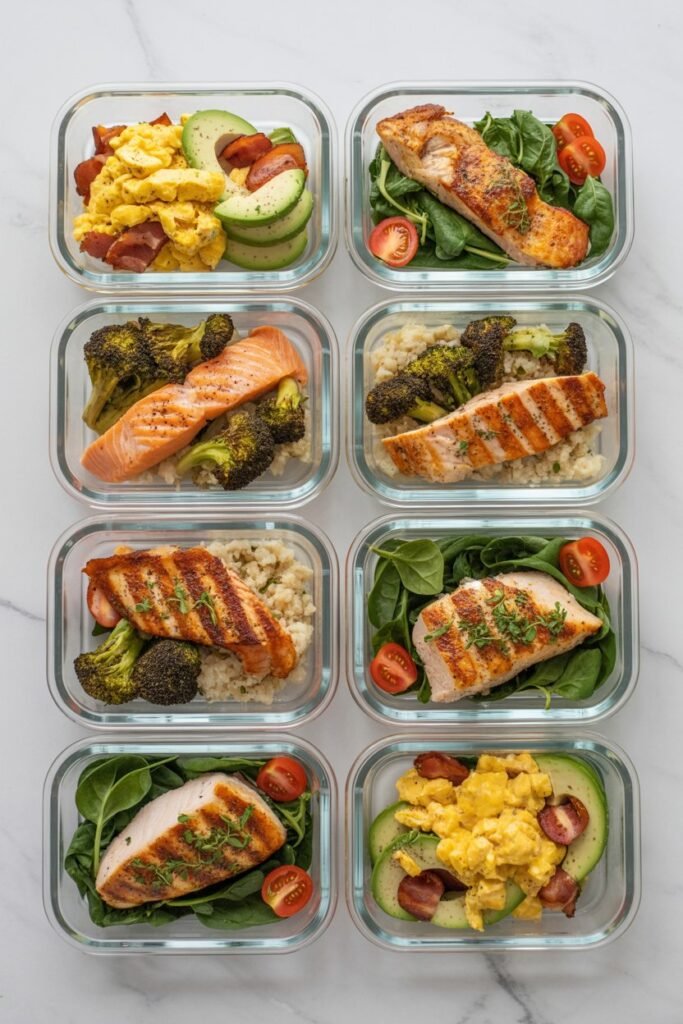
Day 1: Scrambled eggs + avocado, chicken salad, salmon + broccoli
Day 2: Omelet with spinach & cheese, tuna salad, ground beef + zucchini noodles
Day 3: Boiled eggs + guacamole, grilled chicken + roasted veggies, shrimp + cauliflower rice
Day 4: Keto smoothie with protein powder, egg salad, chicken thighs + green beans
Day 5: Egg muffins, salad with salmon, turkey meatballs + roasted cauliflower
Day 6: Cottage cheese + berries, chicken lettuce wraps, grilled salmon + asparagus
Day 7: Scrambled eggs + avocado, tuna-stuffed peppers, beef stir-fry with low-carb vegetables
Use containers, portion out fats and proteins, and rotate ingredients for variety.
My Biggest Lessons From Keto
- Consistency beats perfection, occasional slip-ups will not ruin results.
- Electrolytes are essential to prevent keto flu.
- Vegetables matter for fiber and digestion.
- Protein is non-negotiable for satiety and muscle preservation.
- Simple meals work best for sustainability.
Keto is a lifestyle, not a crash diet.
FAQs About Starting Keto
Q: Will I lose weight immediately?
A: Initial water weight comes off fast, but fat loss is gradual.
Q: Can I eat fruit?
A: Limited low-carb fruits like berries are fine. Avoid high-sugar fruits at first.
Q: What about exercise?
A: Light to moderate exercise is fine. Some people feel fatigued initially; energy returns in one to two weeks.
Q: How do I know if I am in ketosis?
A: Symptoms include reduced cravings, steady energy, and slight breath odor. You can also use ketone test strips.
Final Thoughts
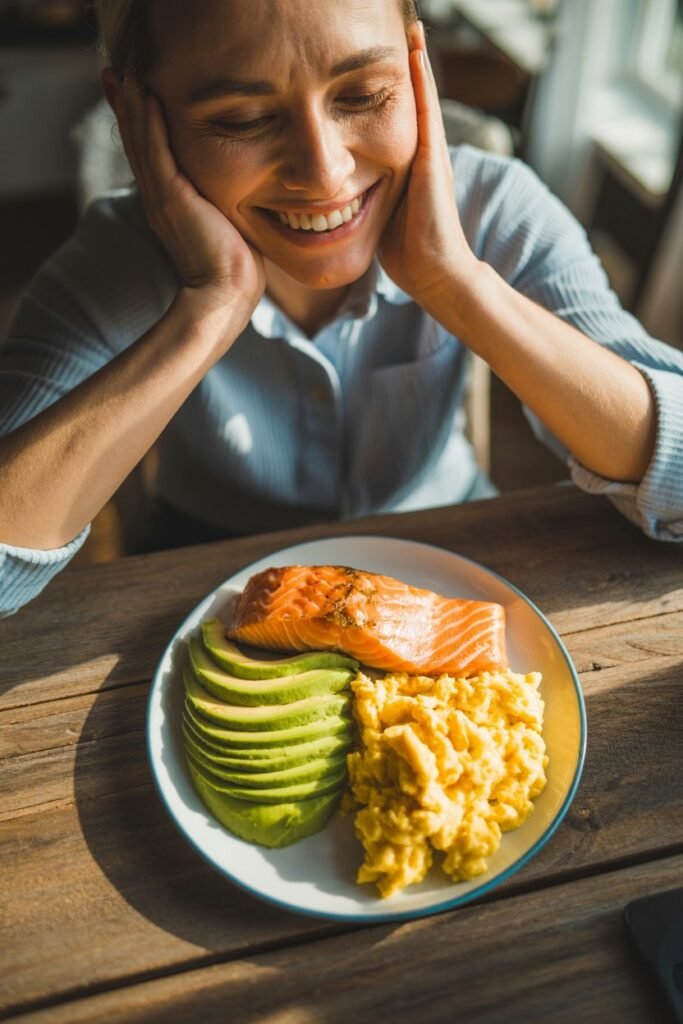
Starting keto can feel intimidating, but it does not have to be.
Focus on protein, healthy fats, and low-carb vegetables. Manage electrolytes and prep meals in advance. Avoid common beginner mistakes and remember that consistency is more important than perfection.
Keto can stabilize hunger, boost energy, and support fat loss when done thoughtfully. Start small, track your progress, and build habits that last.
If you approach keto strategically, it can become a sustainable lifestyle, not just a diet.