
There was a time when getting kids to eat fruits and vegetables felt like a daily battle. Every attempt at serving something healthy was met with picky faces, untouched plates, and the classic “I don’t like that.”
If you’ve ever struggled to get a picky eater to eat something nutritious, you’re definitely not alone.
Many parents and caregivers know the frustration of wanting to provide healthy meals while dealing with limited food preferences.
That’s exactly why smoothies became a game-changer in my kitchen.
At first, I wasn’t sure if kids would actually drink them. Would they notice the vegetables? Would they reject the texture?
But after a few experiments and some creative combinations, smoothies quickly became one of the easiest ways to get kids to enjoy fruits, vegetables, and other nutritious ingredients without complaints.
The best part is that smoothies don’t feel like “healthy food” to kids. They feel like a treat. They’re colorful, naturally sweet, fun to drink, and incredibly customizable.
Once you learn how to make them the right way, even picky eaters start asking for them.
If you’re looking for simple ways to make smoothies your kids will actually drink and love, this guide will walk you through everything you need to know.
Why Smoothies Are Perfect for Picky Eaters
Smoothies are one of the easiest ways to sneak extra nutrition into a child’s diet without making it obvious.
For picky eaters who avoid certain textures or flavors, smoothies blend everything into a creamy, sweet drink that feels more like dessert than a healthy snack.
One of the biggest advantages is flexibility. You can adjust ingredients based on what your child likes while slowly introducing new flavors and nutrients. Over time, this helps expand their taste preferences without pressure.
Smoothies are also quick to make, require minimal prep, and can be served for breakfast, snacks, or even dessert. For busy families, this makes them a practical everyday option.
When made properly, smoothies can provide:
- Vitamins and minerals from fruits and vegetables
- Protein for growth and energy
- Healthy fats for brain development
- Fiber for digestion
- Natural sweetness without added sugar
For parents of picky eaters, this combination is incredibly helpful.
What Makes a Kid-Friendly Smoothie
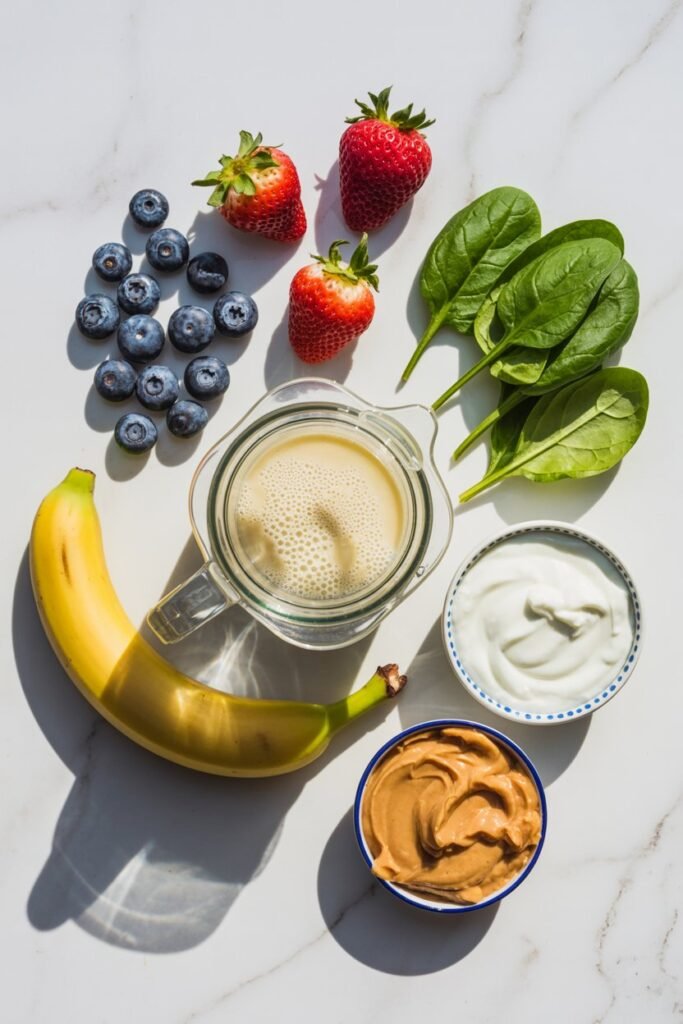
Not every smoothie works for picky eaters. Some are too thick, too green, or too strong in flavor.
The key is balancing taste, texture, and appearance so kids actually enjoy drinking it.
A kid-friendly smoothie should be:
- Naturally sweet
- Creamy and smooth
- Bright or fun in color
- Mild in flavor
- Easy to drink
The goal is to create something that feels like a milkshake rather than a “health drink.”
Once kids associate smoothies with something tasty and enjoyable, they become much more open to drinking them regularly.
Best Fruits for Kids Smoothies
Fruit is usually the base of any smoothie for picky eaters because it provides natural sweetness and a familiar flavor. Starting with fruits your child already likes makes the process much easier.
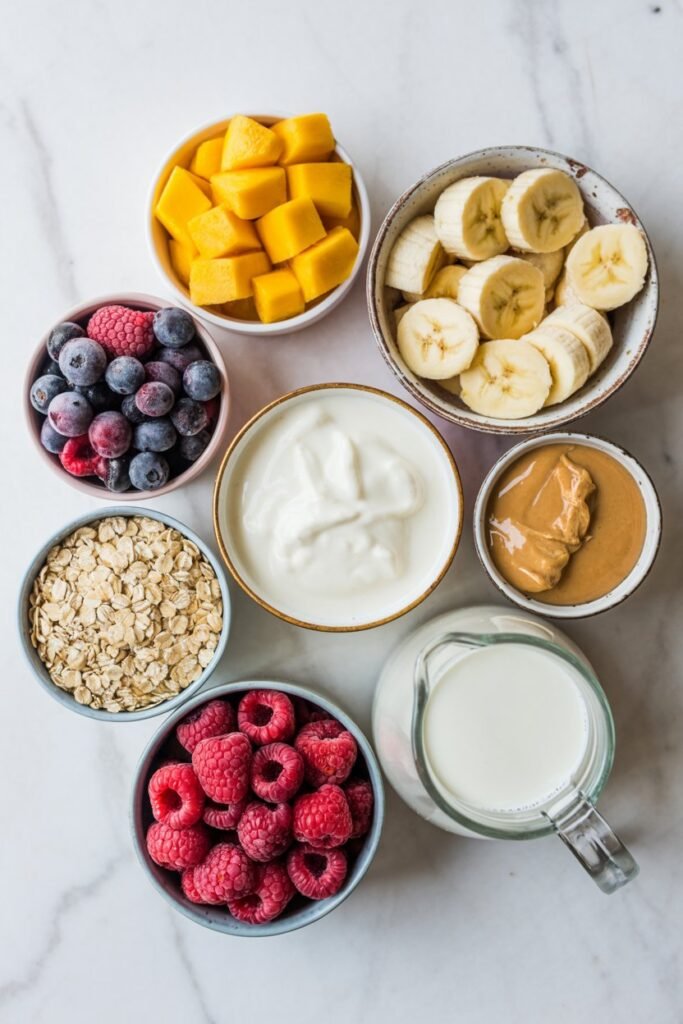
Some of the best fruits for kids smoothies include:
Bananas
Bananas make smoothies creamy and naturally sweet. They also blend easily and help mask other ingredients.
Strawberries
Strawberries add a bright color and sweet flavor that most kids love. They’re perfect for making smoothies look fun and appealing.
Mango
Mango adds tropical sweetness and a smooth texture. It pairs well with yogurt and milk.
Blueberries
Blueberries are packed with antioxidants and add a natural sweetness. They also create a fun purple color.
Pineapple
Pineapple adds a refreshing, juicy sweetness that balances vegetables well.
Using frozen fruit helps create a thicker, milkshake-like texture that kids usually prefer.
Ingredients You Can Sneak In Without Them Noticing
One of the biggest benefits of smoothies is how easy it is to include extra nutrition without kids realizing it. When blended properly, many healthy ingredients become almost invisible in taste and texture.
Here are some ingredients you can easily add:
Spinach
Spinach has a very mild flavor and blends well with sweet fruits like banana and mango. It adds iron and vitamins without changing taste much.
Carrots
Cooked or finely grated carrots blend nicely into fruit smoothies and add natural sweetness.
Greek yogurt
Adds protein and creaminess while supporting growth and fullness.
Peanut butter or almond butter
Provides healthy fats and protein while giving a rich, nutty flavor.
Chia seeds or flaxseeds
Boost fiber and omega-3s without affecting flavor.
Oats
Make smoothies more filling and great for breakfast.
The key is to add small amounts at first so the flavor stays familiar and enjoyable.
How To Make a Smoothie Kids Will Actually Drink
Step 1: Start With a Sweet, Familiar Fruit Base
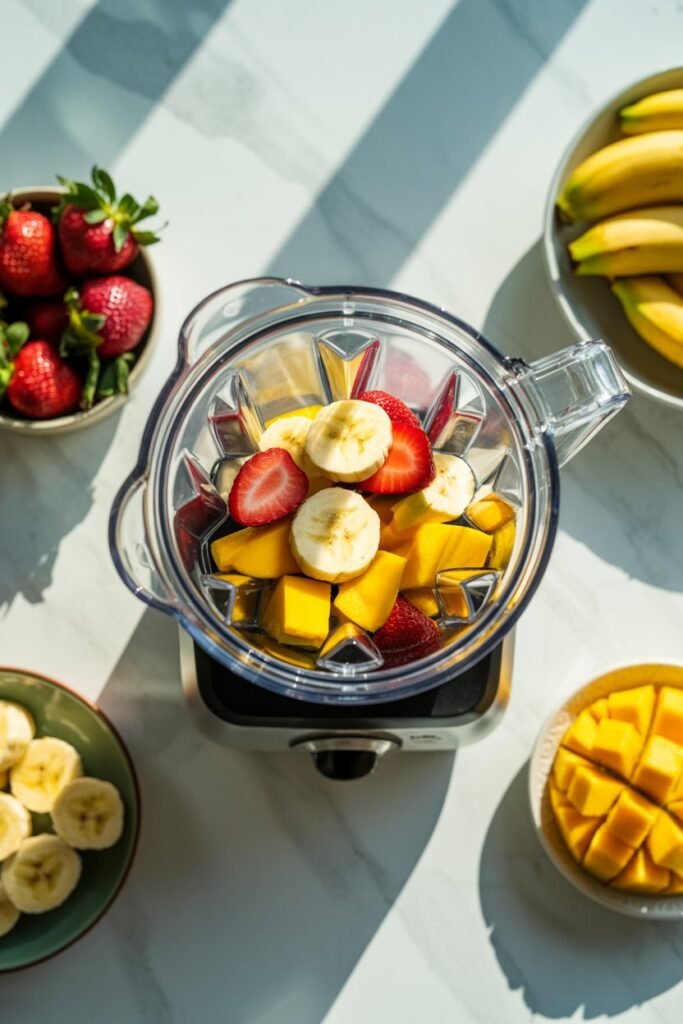
The easiest way to get picky eaters to accept a smoothie is by starting with fruits they already love.
Bananas, strawberries, mangoes, and blueberries are great options because they naturally add sweetness and create a smooth, creamy texture.
Bananas especially help thicken the smoothie and make it taste more like a milkshake, which most kids enjoy.
Using frozen fruit works best because it creates a cold, creamy consistency without needing ice.
If your child is sensitive to textures, stick to softer fruits like bananas and strawberries first before experimenting with others.
Starting with familiar flavors helps build trust so they are more willing to try new combinations later.
Step 2: Add Creaminess and Nutrition
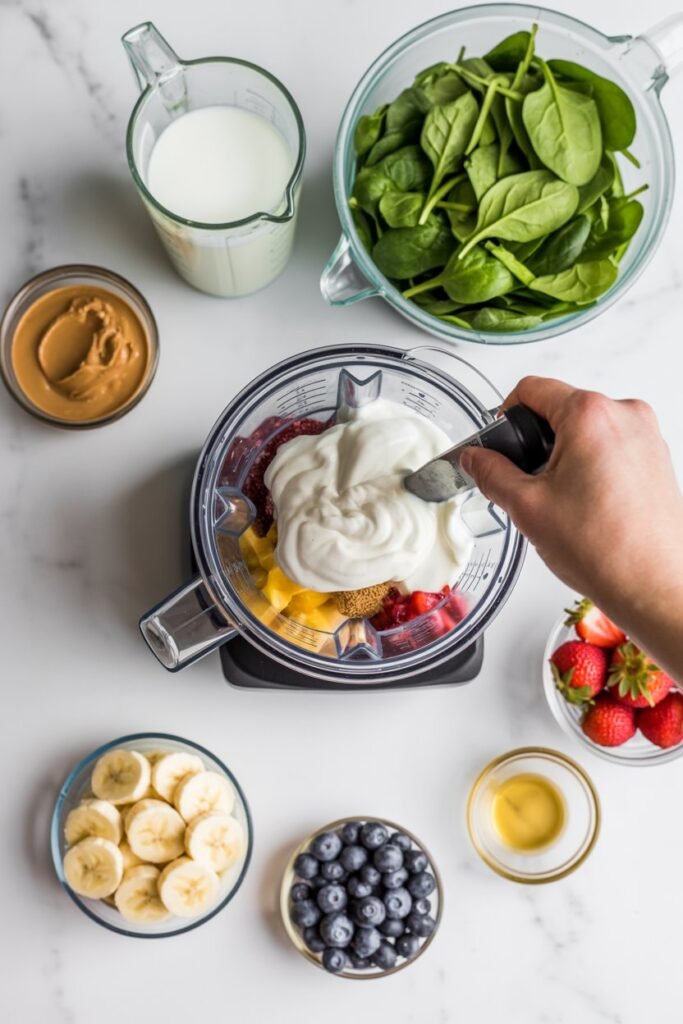
Once you have your fruit base, add a creamy ingredient to make the smoothie rich and filling. Milk, yogurt, almond milk, or oat milk all work well.
Greek yogurt is a great choice because it adds protein and keeps kids full longer, making the smoothie perfect for breakfast or an after-school snack.
This is also the best time to sneak in extra nutrition. Add a small handful of spinach, a spoon of peanut butter, oats, chia seeds, or even a little avocado.
These ingredients boost fiber, healthy fats, and vitamins without changing the flavor too much. Start with small amounts so the taste stays sweet and kid-friendly.
Over time, you can gradually increase the nutrition as your child gets used to it.
Step 3: Blend Until Smooth and Creamy
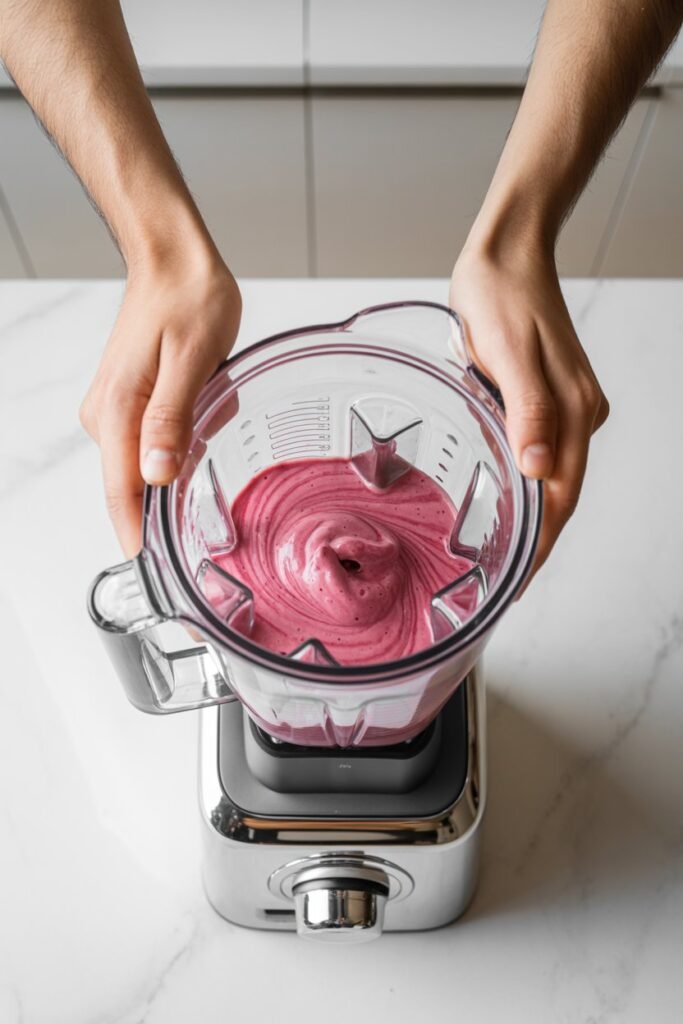
Texture can make or break a smoothie for picky eaters, so blending properly is important.
Add your ingredients to a high-speed blender and blend until completely smooth with no chunks left. If the smoothie looks too thick, add a little more milk and blend again.
If it’s too thin, add more frozen fruit to thicken it.
Always taste the smoothie before serving. If it needs extra sweetness, add more fruit rather than sugar. For children over one year old, a small drizzle of honey can also help enhance the flavor.
A perfectly smooth and naturally sweet smoothie is much more likely to become a favorite.
Step 4: Serve It in a Fun, Kid-Friendly Way
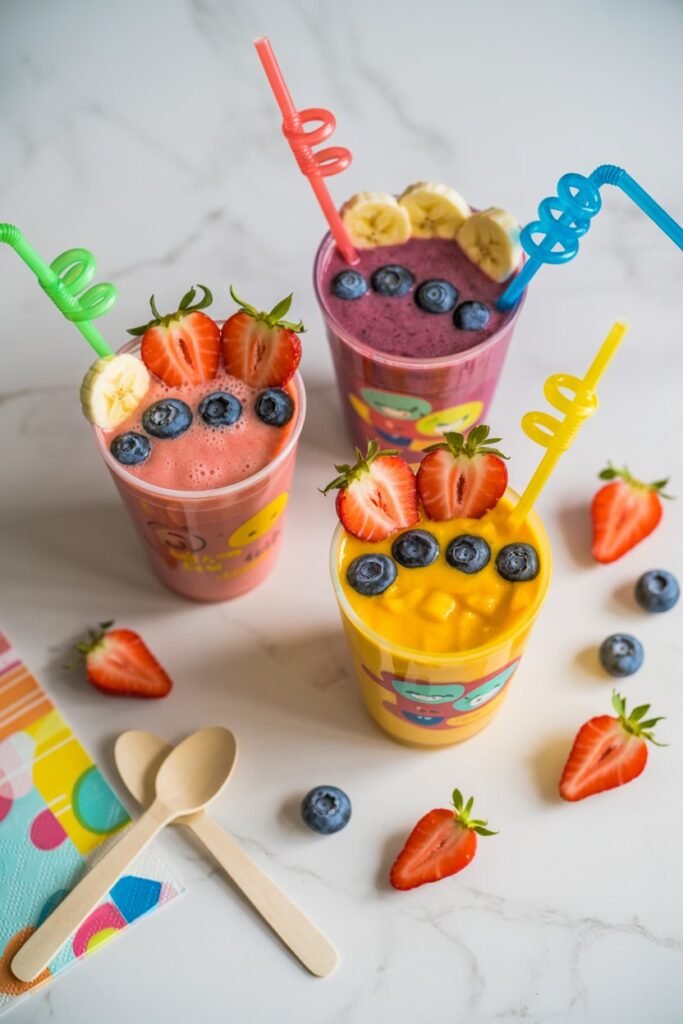
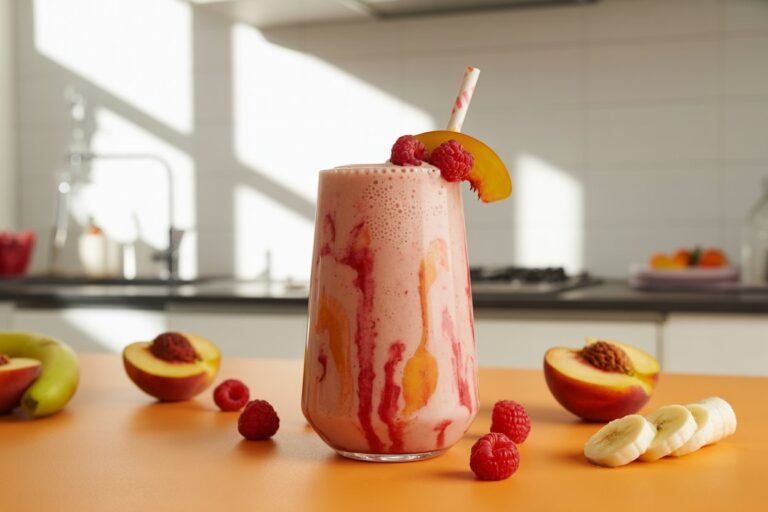
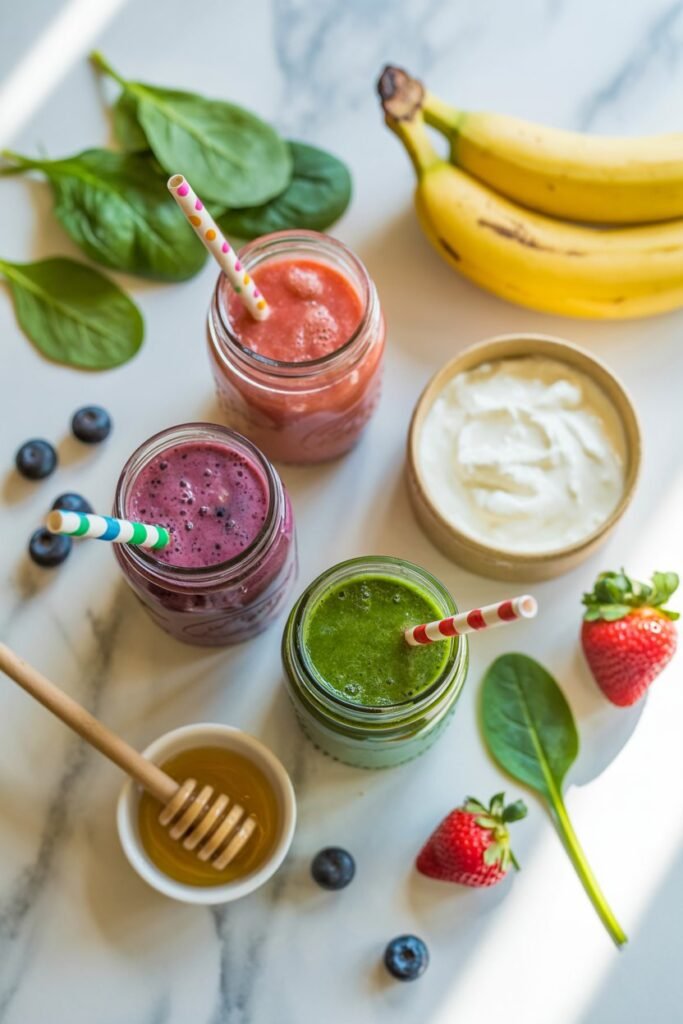
Presentation can make a huge difference for picky eaters. Pour the smoothie into a colorful cup, mason jar, or a cup with a fun straw. You can even let your child choose their favorite cup or help pour the smoothie themselves.
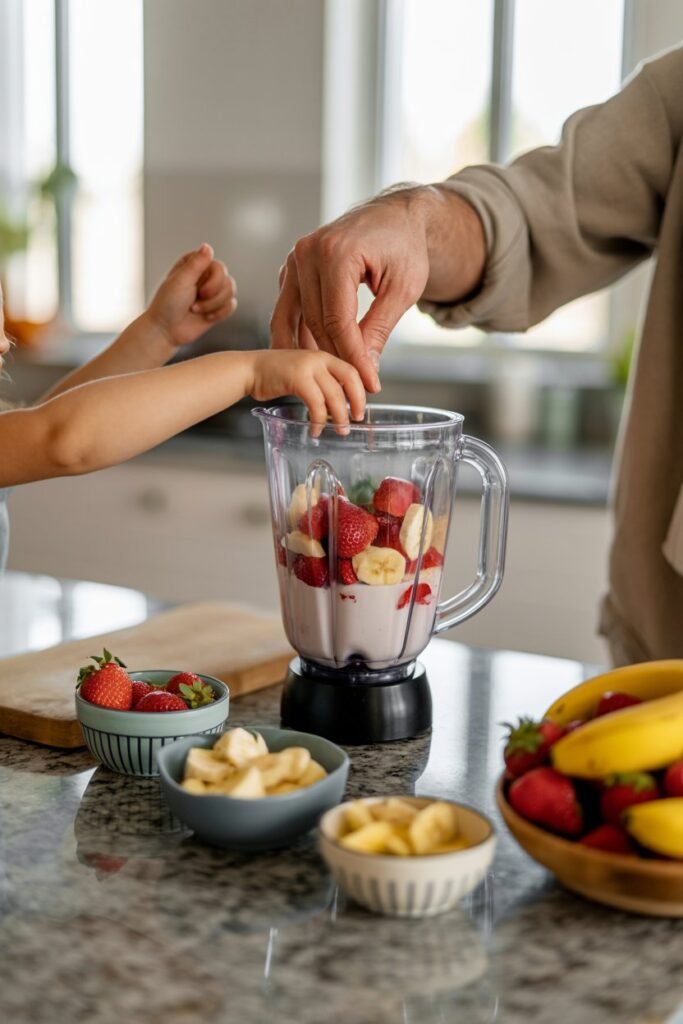
When kids feel involved, they’re more excited to drink what they helped create.
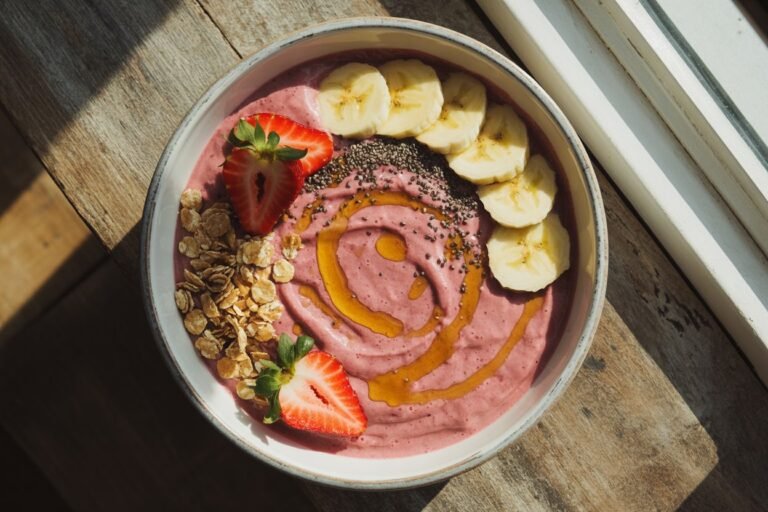
You can also add simple toppings like sliced strawberries, banana pieces, or a sprinkle of granola if they enjoy texture.
Serving smoothies in a fun and familiar way turns them into a treat rather than something “too healthy,” making kids much more likely to ask for them again.
Tips to Get Picky Kids to Try Smoothies
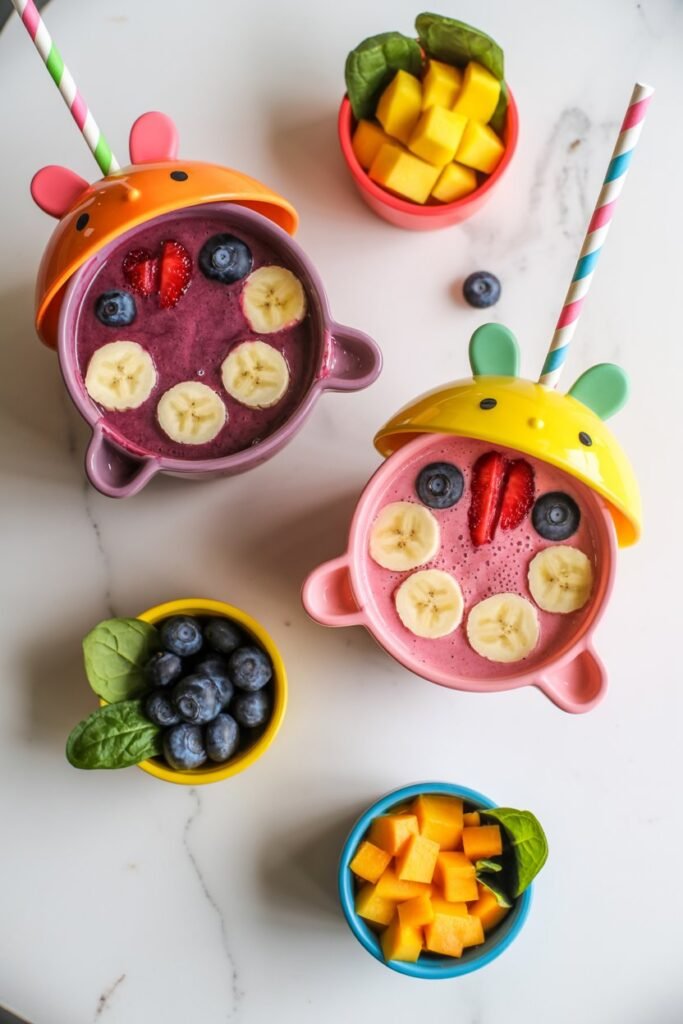
Even the best smoothie won’t work if kids refuse to try it. Sometimes presentation and involvement make all the difference.
Let them help make it
Kids are more likely to try something they helped create. Let them choose fruits or press the blender button.
Use fun cups or straws
Colorful cups and reusable straws can make smoothies feel exciting.
Give it a fun name
Names like “superhero smoothie” or “pink power drink” can make kids more curious.
Start with familiar flavors
Begin with ingredients they already love before adding new ones slowly.
Keep it consistent
Offering smoothies regularly helps kids get used to them as a normal snack.
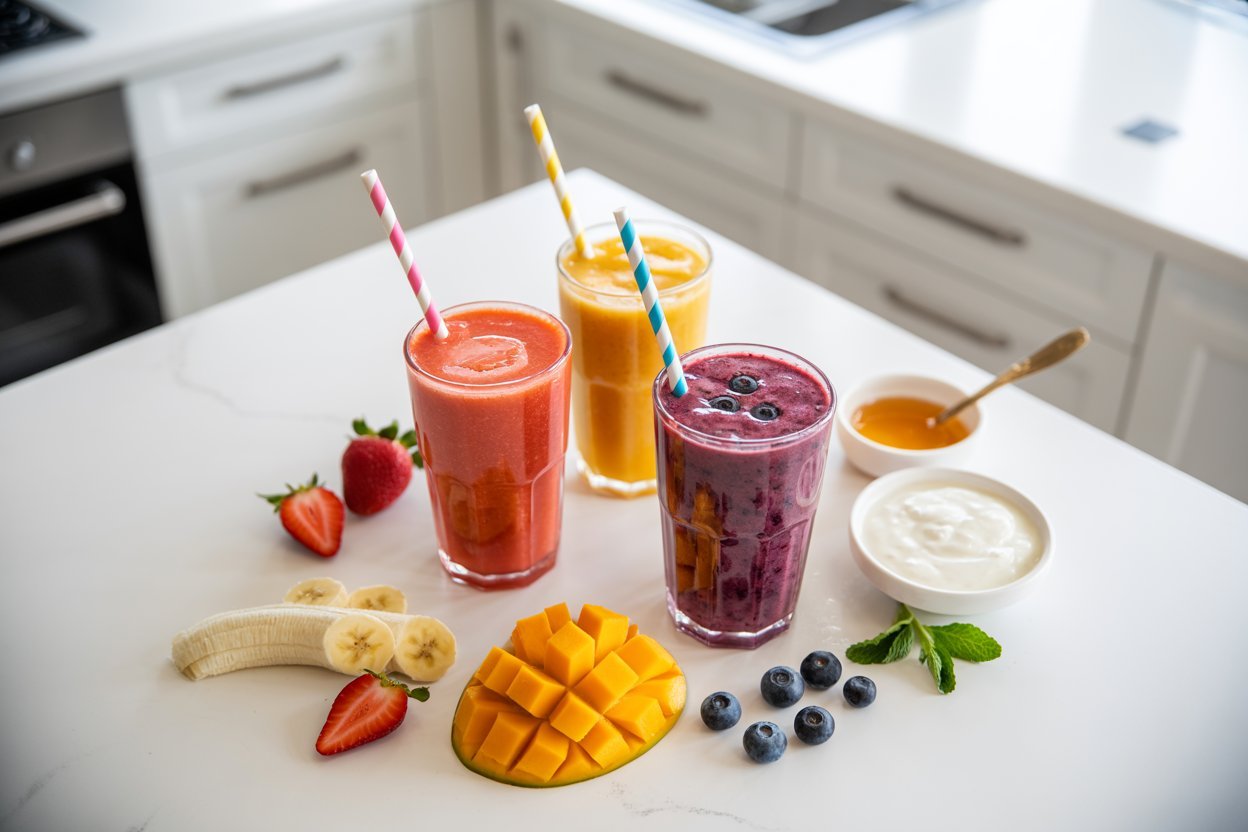
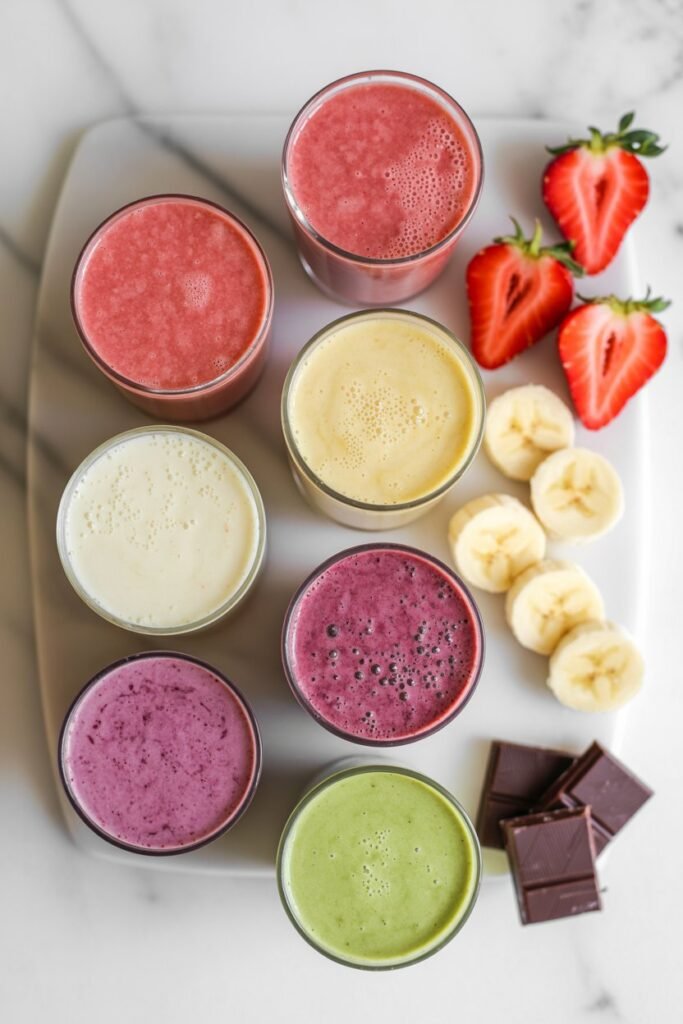
Simple Smoothie Ideas for Picky Eaters
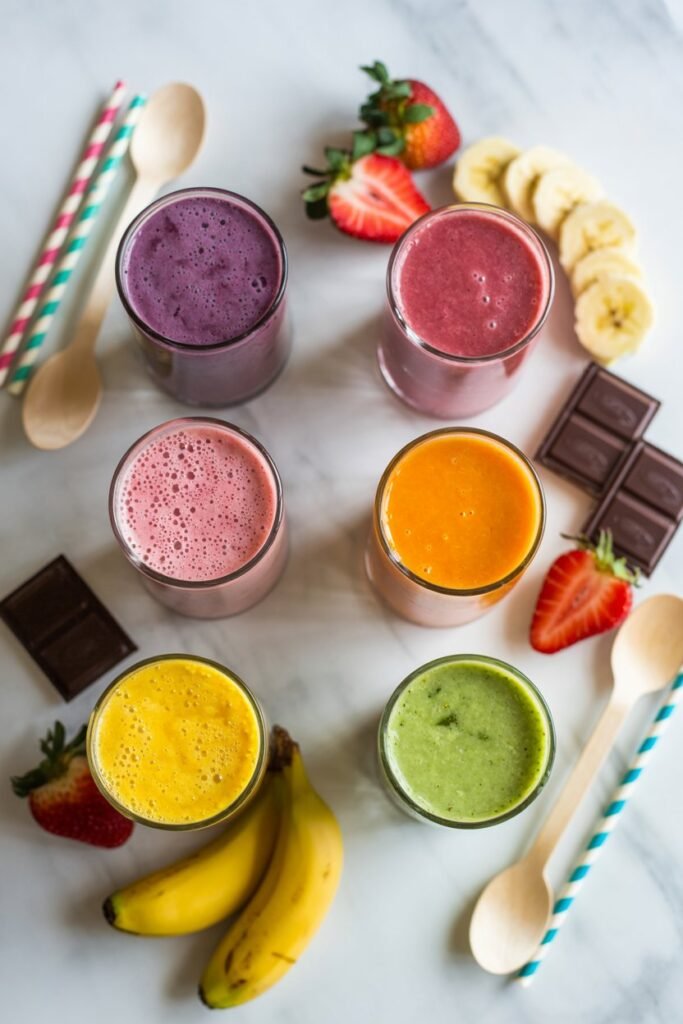
Strawberry Banana Smoothie
Banana, strawberries, milk, and yogurt create a classic sweet flavor kids love.
Chocolate Peanut Butter Smoothie
Banana, milk, peanut butter, and a little cocoa powder taste like dessert but contain protein and nutrients.
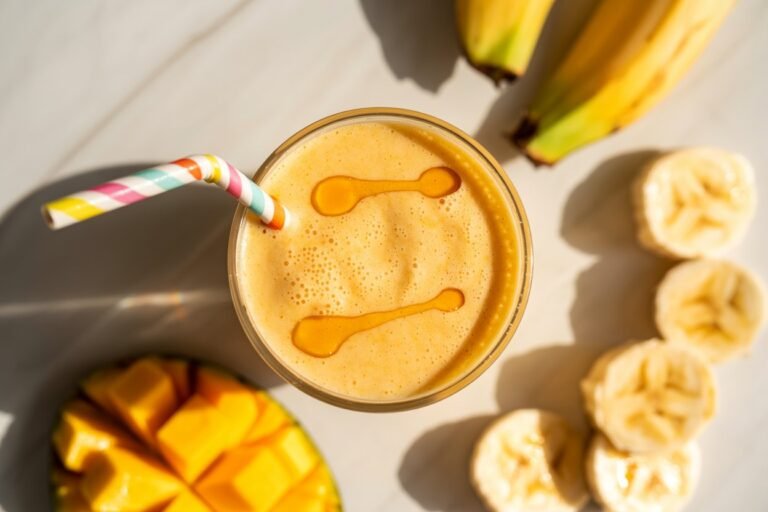
Mango Sunshine Smoothie
Mango, banana, yogurt, and orange juice create a bright, tropical flavor.
Berry Power Smoothie
Mixed berries, banana, yogurt, and a handful of spinach for extra nutrients without strong taste.
These simple combinations are usually the easiest for picky eaters to accept.
Common Mistakes to Avoid
Adding too many vegetables at once can change the taste and make kids reject smoothies quickly. Start small and build gradually.
Avoid using too much sugar or syrup. Fruit already provides natural sweetness.
Don’t make smoothies too thick or too thin. A creamy, drinkable texture is best.
Keep flavors simple. Too many ingredients can overwhelm picky eaters.
Final Thoughts
Making smoothies for picky eaters can completely change the way kids get their daily nutrition. Instead of struggling with vegetables and healthy snacks, you can offer something sweet, fun, and nourishing all in one cup.
The key is starting simple, using flavors kids already enjoy, and gradually adding more nutritious ingredients over time. With consistency and creativity, smoothies can become a favorite part of your child’s daily routine.
Once you find combinations your kids love, you’ll have a quick, easy, and stress-free way to keep them energized, healthy, and happy every day.