The Simple Food Swaps That Helped Me Drop 13 Pounds Without Feeling Deprived
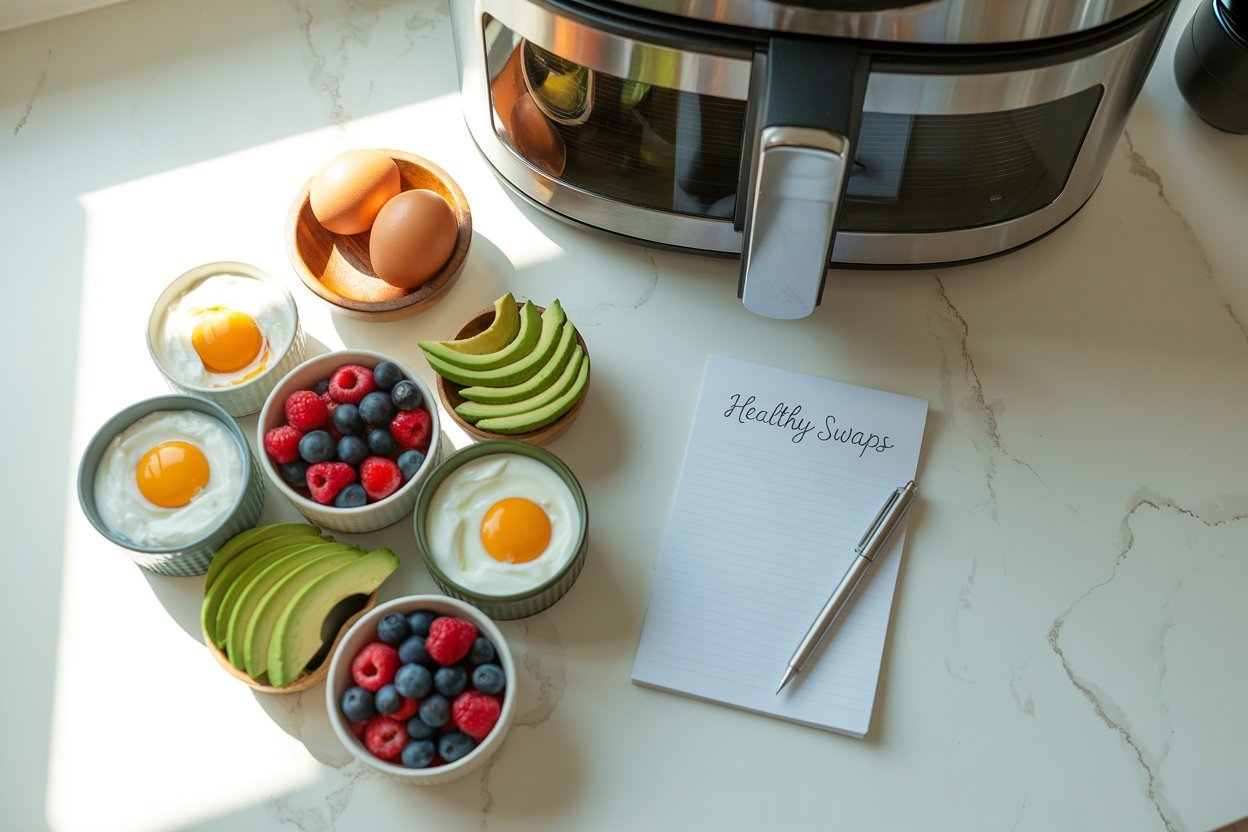
For years, I thought losing weight required discipline I did not have.
I believed it meant cutting out carbs, skipping dessert, and constantly feeling hungry. Every time I tried to overhaul my eating habits overnight, I would last a few weeks and then fall right back into old patterns.
What finally worked was not a strict diet.
It was small, repeatable food swaps inside meals I was already eating.
I did not count every calorie.
I did not eliminate entire food groups.
I did not follow a trend.
I simply adjusted how I built my meals.
Over time, those changes helped me lose 13 pounds in a way that felt calm and sustainable.
Here is exactly what I changed and why it worked.
Why Simple Swaps Work Better Than Extreme Diets
Extreme plans rely on restriction.
Restriction increases cravings.
Cravings increase overeating.
Overeating leads to frustration.
Simple swaps work differently.
They improve the nutritional quality of what you already eat. They increase protein and fiber. They reduce unnecessary calories without shrinking your portions into something unsatisfying.
The result is a natural calorie reduction without feeling deprived.
That is the difference.
1. Greek Yogurt Instead of Sour Cream and Heavy Sauces
This was my easiest win.
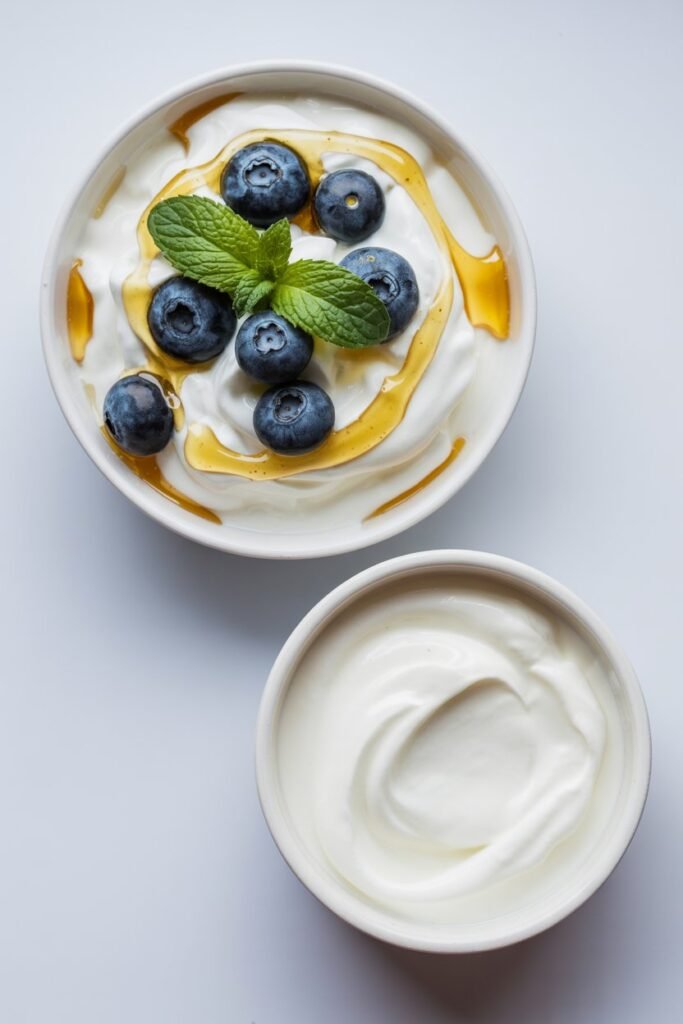
Two tablespoons of sour cream typically contain around 60 calories and very little protein.
The same amount of plain Greek yogurt contains roughly half the calories and adds several grams of protein.
That protein helps increase satiety. I feel fuller longer, which reduces mindless snacking later in the day.
I started using Greek yogurt in:
• Tacos
• Wraps
• Dips
• Baked potatoes
• Creamy pasta sauces
The texture is nearly identical when seasoned properly. Over time, I did not miss sour cream at all.
2. Air Frying Instead of Deep Frying
I love crispy food. Giving it up was never realistic.
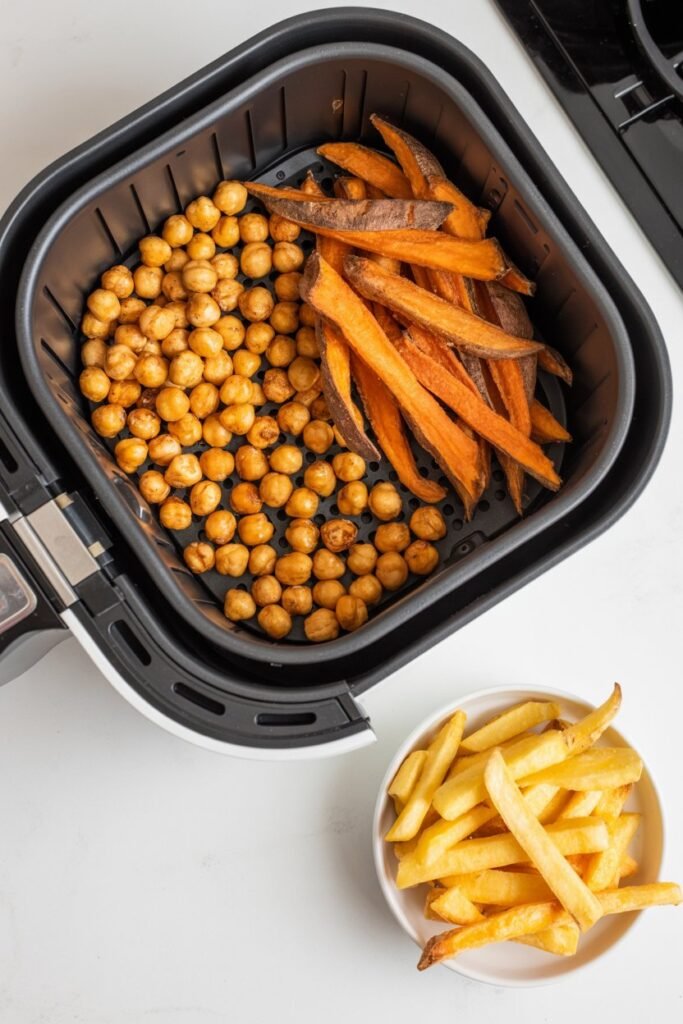
Instead of frying in oil, I switched to air frying. This dramatically reduced added fats while keeping texture and flavor.
For example:
Deep frying can add hundreds of calories through oil absorption. Air frying often requires just a light spray or none at all.
I still eat:
• Crispy potatoes
• Chicken
• Chickpeas
• Vegetables
But now they fit easily into a balanced day.
Cooking method matters more than most people realize.
3. Protein-Focused Breakfast Instead of Sugar-Based Breakfast
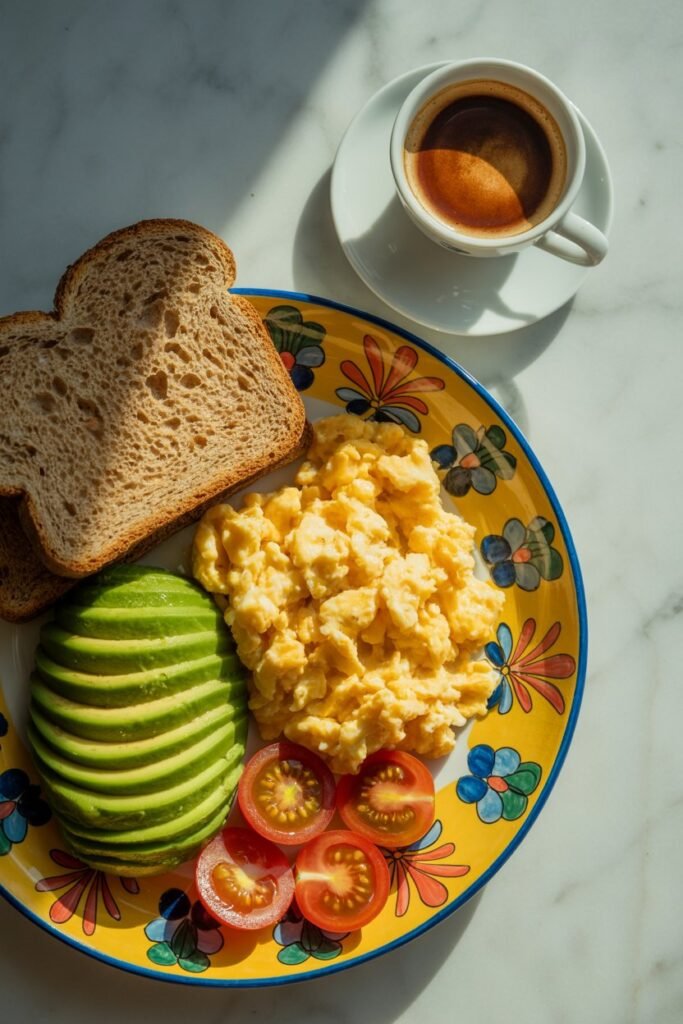
Breakfast used to spike my hunger.
Cereal, pastries, and sweet coffee drinks left me hungry by mid-morning.
When I began prioritizing protein, everything changed.
Now I choose options like:
• Greek yogurt with berries and seeds
• Eggs with whole grain toast
• Protein smoothies with spinach and nut butter
Protein helps regulate appetite hormones and stabilizes energy levels. I noticed fewer cravings and more control throughout the day.
This single shift reduced my evening overeating dramatically.
4. Balanced Plates Instead of Carb-Heavy Plates
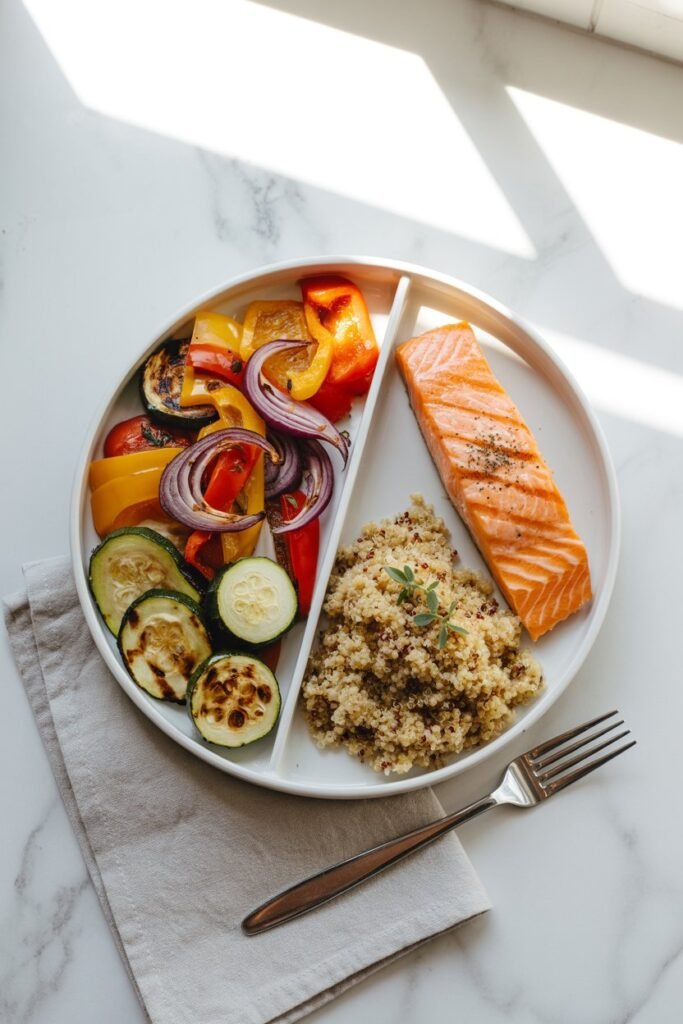
I did not remove carbs. I adjusted proportions.
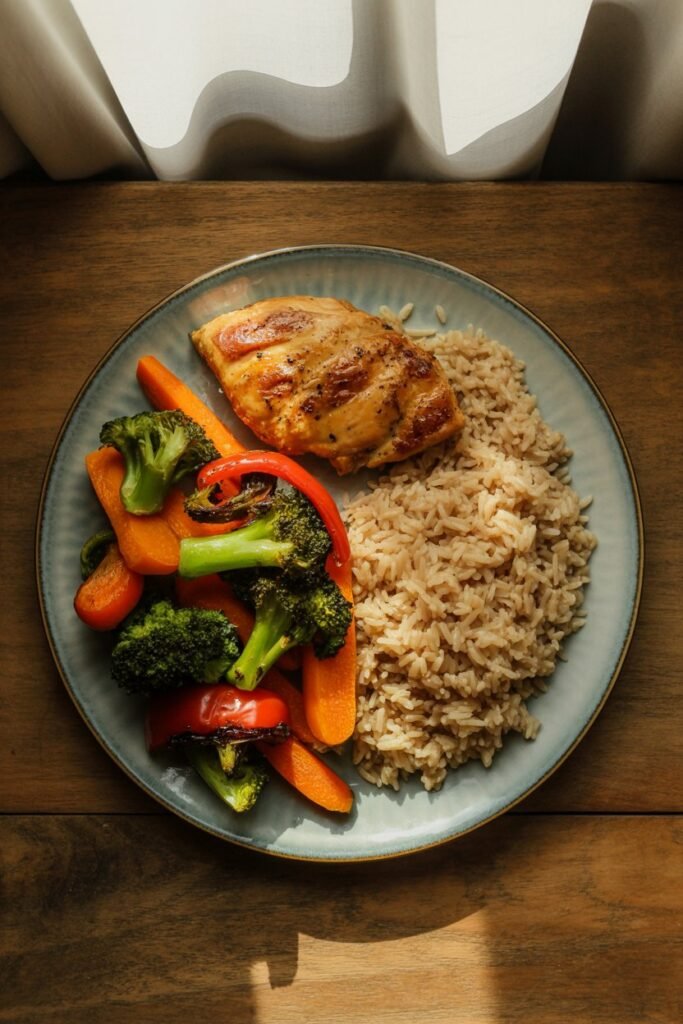
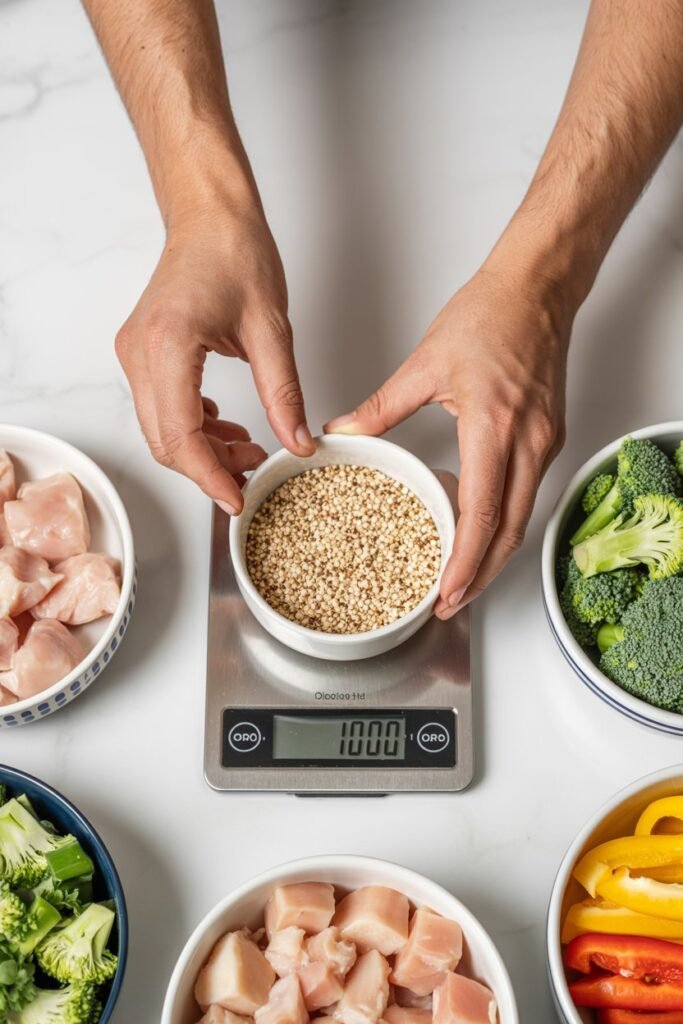
Instead of filling most of my plate with pasta or rice, I now build meals like this:
Half vegetables
A quarter lean protein
A quarter whole grains or starch
This simple structure keeps meals satisfying while naturally lowering overall calories.
I still enjoy pasta. I just pair it with grilled chicken and roasted vegetables instead of eating it alone.
5. Sparkling Water Instead of Liquid Calories

Liquid calories are easy to overlook.
Juice, sweetened coffee drinks, and soda can quietly add hundreds of calories per day without increasing fullness.
Switching to sparkling water with lemon or unsweetened tea made a noticeable difference over weeks.
I did not feel like I was sacrificing anything, but my overall intake dropped significantly.
6. Smart Dessert Swaps Instead of Eliminating Sweets

I did not remove dessert completely.
That approach never works for me.
Instead of large portions of ice cream, I shifted to:
• Smaller portions
• Frozen yogurt
• Greek yogurt with cocoa powder
• Light gelatin cups
• Fresh fruit with dark chocolate
This allowed me to satisfy cravings without feeling out of control.
Consistency improved because nothing felt forbidden.
7. Protein Snacks Instead of Refined Carb Snacks
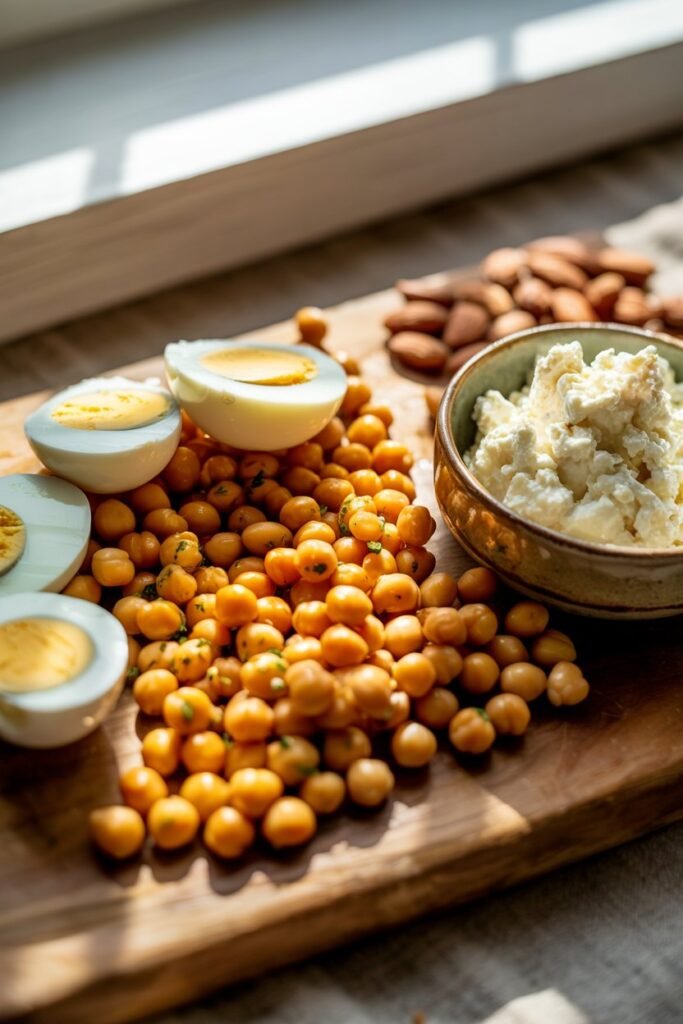
When I snacked on chips or crackers, I was hungry again quickly.
Now I focus on protein-centered snacks such as:
• Boiled eggs
• Cottage cheese
• Air fryer chickpeas
• Greek yogurt
• A small handful of nuts
Protein increases satiety and reduces the urge to overeat at dinner.
That shift alone improved my portion control naturally.
What a Day of Eating Looked Like After the Swaps
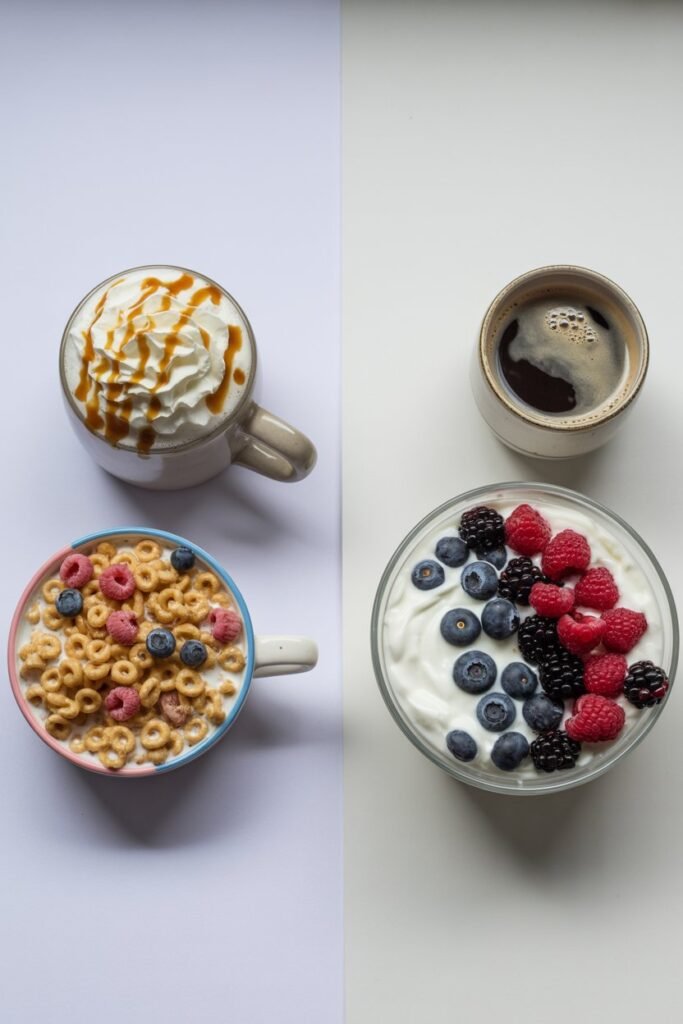
Breakfast
Greek yogurt with berries and chia seeds
Lunch
Grilled chicken wrap with vegetables and yogurt-based sauce
Snack
Air fryer chickpeas or cottage cheese
Dinner
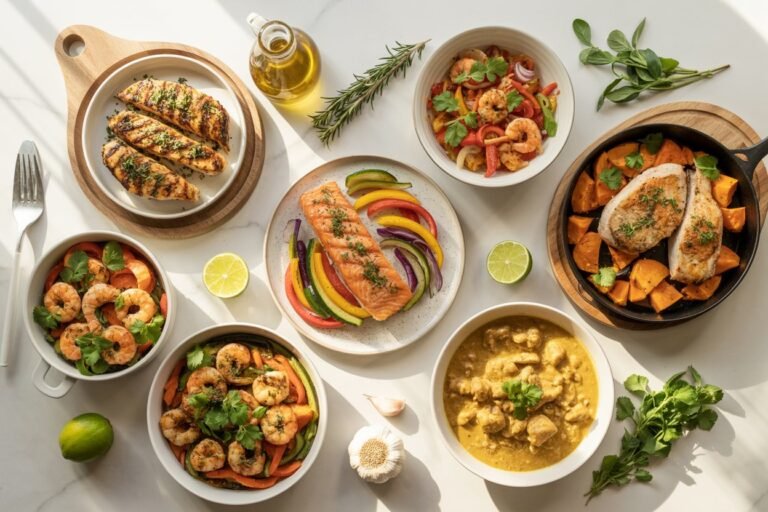
Salmon, roasted vegetables, and a moderate portion of rice
Dessert
Fruit or light yogurt bowl
Nothing extreme. Just balanced.
Common Mistakes to Avoid With Food Swaps
- Increasing portions of healthy foods too much
- Forgetting about high calorie coffee drinks
- Assuming all healthy foods are low calorie
- Ignoring protein intake
- Trying to swap everything at once
The goal is progress, not perfection.
How Long Did It Take to Lose 13 Pounds?
This was not a two-week transformation.
The weight came off gradually over several months.
Slow progress felt stable. I did not regain it because the habits were realistic.
Sustainability matters more than speed.
How to Make These Swaps on a Budget
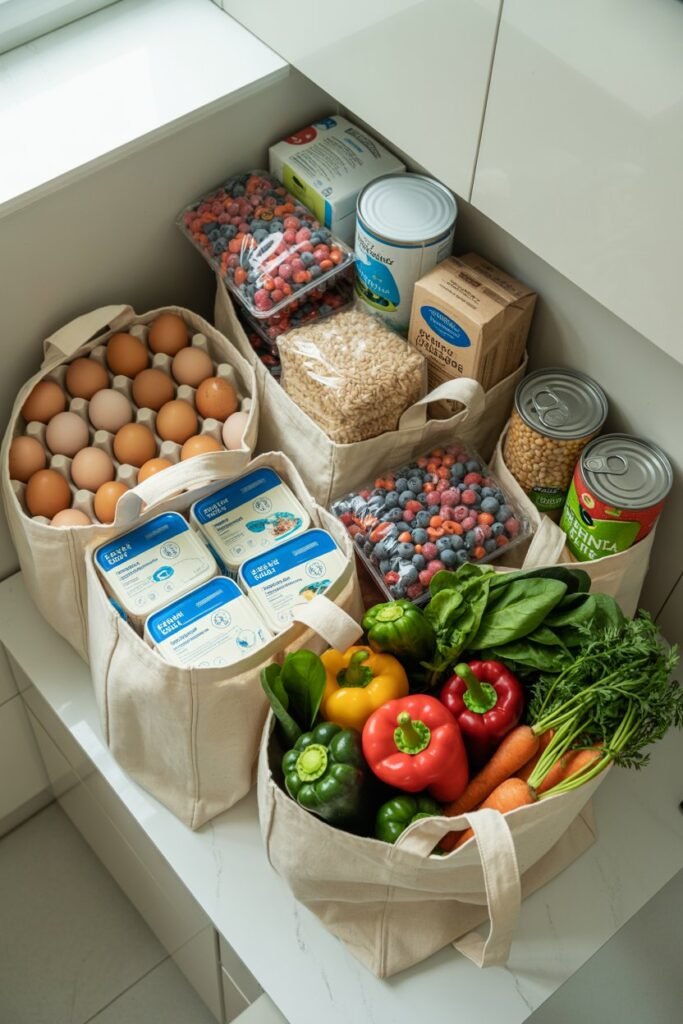
Eating healthier doesn’t have to cost more. Small changes can save money while improving your meals.
Buy larger containers. Large tubs of Greek yogurt, oats, rice, and beans cost less per serving and can be used in multiple meals.
Choose frozen produce. Frozen fruits and vegetables are nutritious, last longer, and reduce waste. I use frozen berries for yogurt and smoothies, and frozen veggies for quick dinners.
Affordable protein options. Eggs, canned tuna, beans, lentils, chicken thighs, and peanut butter are filling, versatile, and cheap.
Cook extra. Making a little more at dinner gives ready-to-eat lunches and prevents takeout.
Skip trendy diet products. Focus on simple ingredients instead of expensive “health” snacks. Yogurt, rice, beans, and vegetables get the job done.
Simple, repeatable meals with minimal waste make healthy eating realistic and budget-friendly.
Who This Approach Works Best For
This method works well for people who:
• Do not want strict dieting
• Prefer realistic adjustments
• Enjoy cooking at home
• Want sustainable results
It may not be ideal for someone seeking rapid transformation or medical weight loss supervision.
Why This Felt Different From Every Other Attempt
For the first time, I did not feel like I was on a diet.
I felt like I was simply eating smarter versions of foods I already enjoyed.
That mindset shift reduced stress around food and made consistency easier.
And consistency is what created the result.
Frequently Asked Questions

Did you count calories?
Not strictly. I became more aware of high calorie ingredients, but I did not track obsessively.
Did you exercise?
I stayed moderately active, mainly walking and light strength training. The biggest change was food quality and portions.
Did you cut out carbs?
No. I adjusted portions and chose higher fiber options.
Can this work without giving up dessert?
Yes. Smarter portions and better ingredients made it sustainable.
Final Thoughts
If you want to feel lighter without extreme dieting, start small.
Choose one swap.
Use Greek yogurt instead of sour cream.
Air fry instead of deep fry.
Add protein to breakfast.
Repeat it daily.
Then build from there.
The weight loss was not magic. It was momentum created by simple, consistent decisions.
And that is something anyone can start.